Why Spatial Justice?
Spatial Justice begins in the distance between what a person needs and what a place offers. This means that we treat space not as a neutral backdrop, but as something made and remade by power, policy, and everyday design choices.
Where the concept comes from (a short lineage)
The Right to the City: Henri Lefebvre argues that urban inhabitants should have a say in how the city is produced; not just consume finished spaces but co‑produce them (Lefebvre, 1996).
Seeking Spatial Justice: Edward W. Soja makes the case that justice must be understood geographically; spatial arrangements can reproduce inequality or redistribute opportunity (Soja, 2010).
The Just City: Susan Fainstein proposes concrete urban planning principles, equity, democracy, diversity, as criteria for evaluating decisions, shifting from abstract ideals to actionable standards (Fainstein, 2010).
Together, these works assert that place encodes power and that changing places is part of changing power.
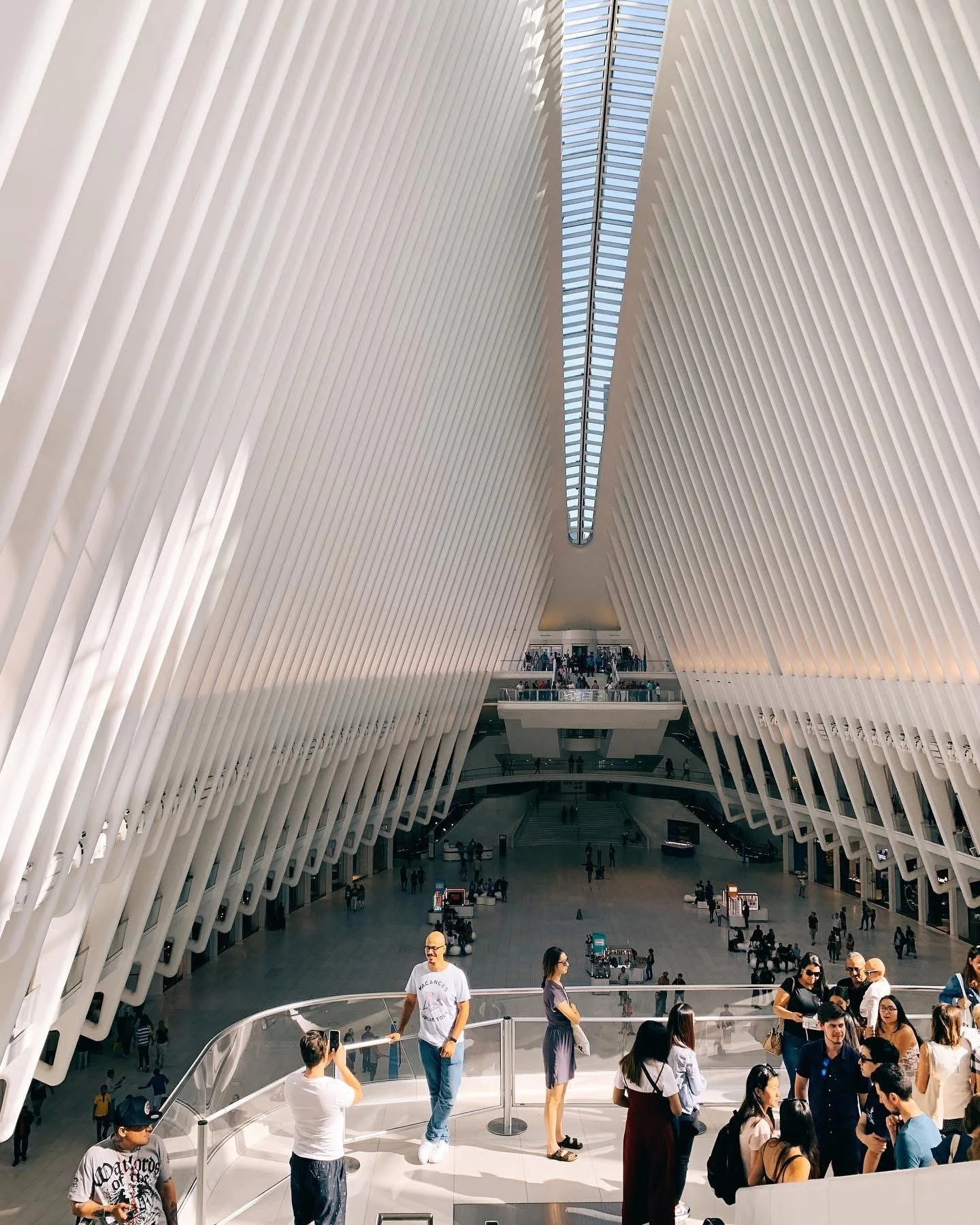
Space is political. Space can honour collective memory and reinforce systems of power.
Why this matters now
Climate pressure. Extreme heat makes shade a survival tool; floods and smoke redraw safe routes. Spatial justice ensures adaptation resources don’t follow privilege alone.
Affordability & displacement. Who stays, who is pushed, who is welcomed back are spatial decisions wrapped in policy: zoning, permits, enforcement.
Health & care inequities. The city asks the most of those with the least time and energy. When care is built in, participation becomes possible.
Surveillance & exclusion. Design can invite or police. Justice favors lighting that guides, furniture that welcomes, and rules that trust communities.
Democracy in decline. When people co‑create places, they practice the very skills - listening, bargaining, repair - that keep a plural society alive.
In short: place is where structural issues meet daily life. Change the place, and you change what is thinkable, doable, survivable.
How we do this
Research first, with humility. Mixed‑methods: spatial data, oral histories, lived‑experience mapping. We begin with power‑mapping and an equity scan.
Co‑creation as governance. Community stewardship tables with honoraria; decision matrices printed big; budgets that tell the truth.
Minimum Equitable Conditions (MECs). Before concepting, we set non‑negotiables for access, safety, dignity; we prototype and iterate in public.
Care‑centered process. Trauma‑informed facilitation; multilingual and multimodal access; schedules that honor capacity.
Translation to specs & policy. We turn stories into drawings, thresholds, wattages, distances, and into policy and maintenance plans so justice lasts.
Steward & learn. Post‑occupancy reflection; indicators for belonging, mobility, and joy; adjustments with maintainers.
Ready to dive in? Let’s chat.