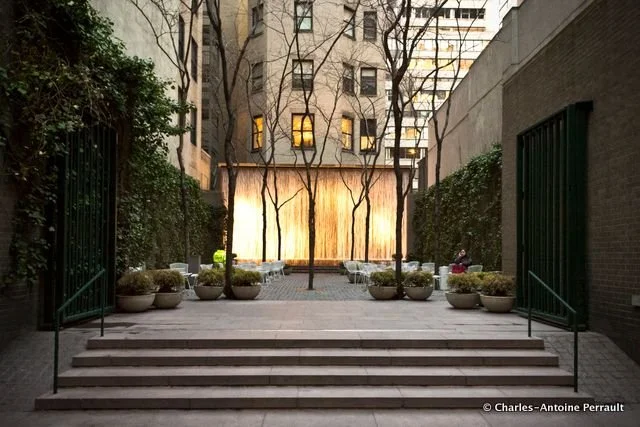
Rooms for Being
Design that worships doing forgets the quiet architecture of belonging. By thickening thresholds and cultivating everyday nooks (our micro-commons), we make room for people to pause, meet, and return. Rooms for Being reframes liminal space as the heart of spatial justice.

Care as Specification: centring lived experience in every decision
The morning bus is late. The north wind cuts sideways. A nurse, finishing night shift, tucks their hands deeper into their sleeves. Justice here is a heated shelter, a clear sign, a bench at the right height, and the knowledge that someone planned for this nurse.
Architecture Remembers what Power wants us to Forget
Two years into Gaza’s genocide, amid headlines of a ceasefire that defers sovereignty, this essay argues that space is never neutral. Architecture can be weapon or witness, and designers face a choice: freeze injustice into place or help build futures worth returning to. With humility as allies, we set a professional agenda: no build without rights, Palestinian-led planning and governance, life-support urbanism first, reparative ecologies, and memory as building material. This is collaborative design for collective liberation.
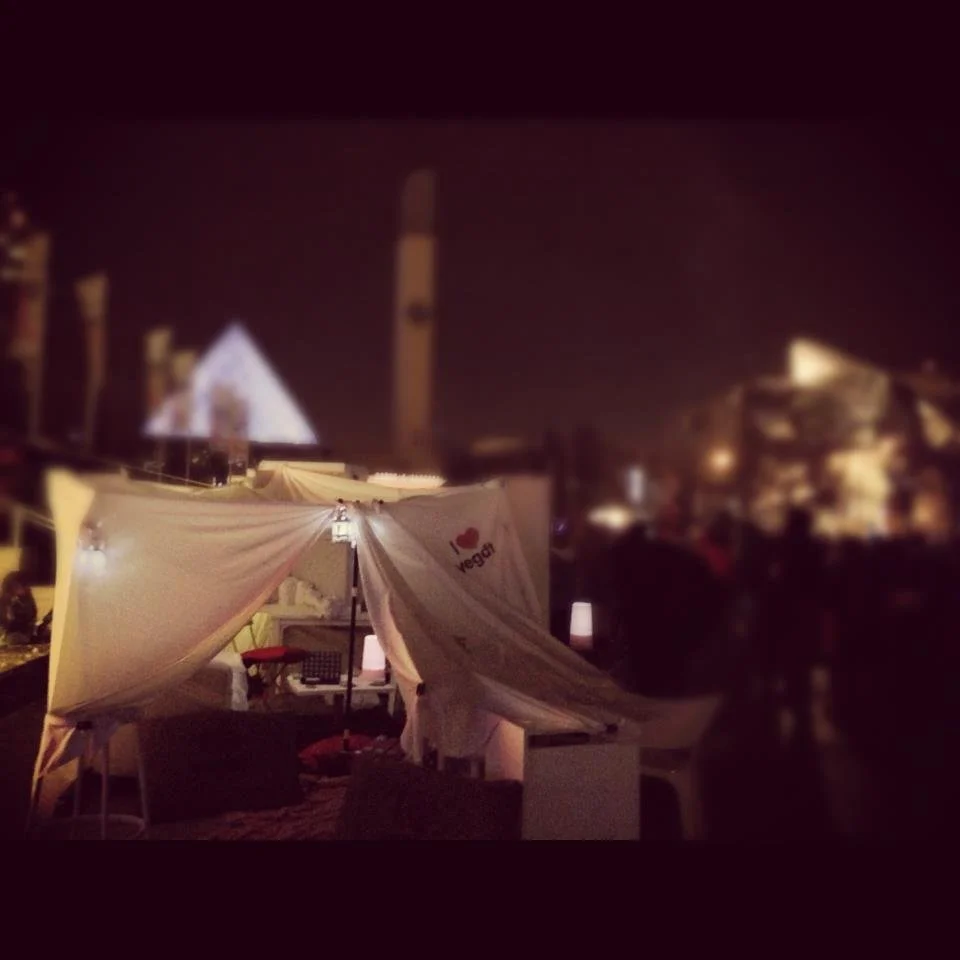
ComFORT Downtown: On blanket forts, hot chocolate, and the architecture of intimacy.
In November 2012, we turned Edmonton’s sidewalks into living rooms: blanket forts, steaming hot chocolate, and strangers becoming neighbours. ComFORT began with a $500 challenge and a question: what if rest is something we design, together? The result was small, warm, and wildly human - proof that play can be public care. Build your fort; build your city.
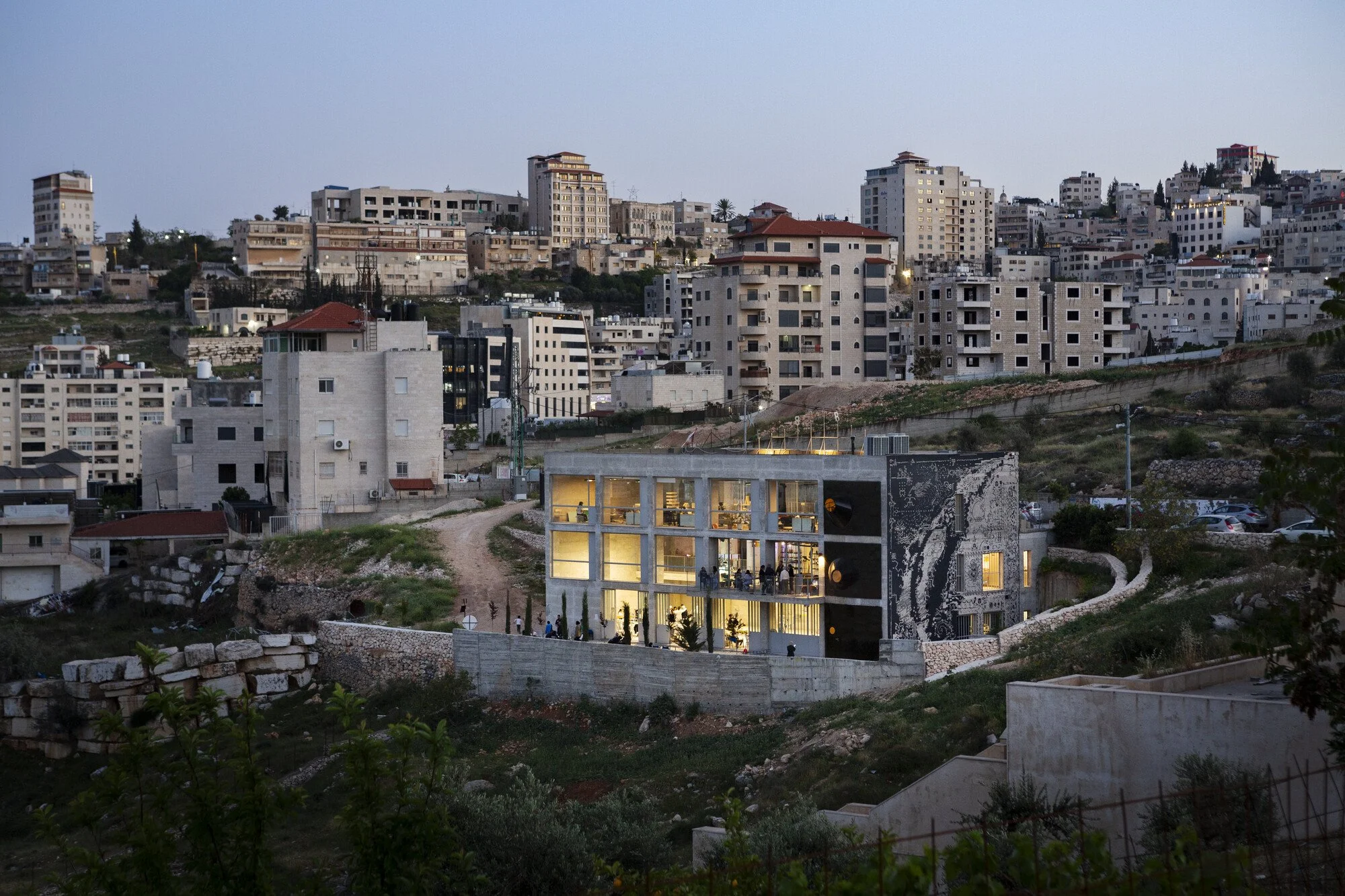
Optimism and architecture: lessons from the 2025 Aga Khan Award Winners
Architecture is not neutral. It either enforces systems of control or helps dismantle them. The 2025 Aga Khan Award for Architecture proves that design can be survival in flood-prone Bangladesh, belonging in rural China, memory in historic Esna, joy in Palestine, and dignity in Iran. These projects refuse spectacle and instead offer social infrastructure, rootedness, participation, and justice. In today’s climate of displacement and inequality, they are not just buildings, they are political interventions. At Lemon Papaya, we draw on their lessons to ask: how can every wall, threshold, and gathering space move us closer to liberation?
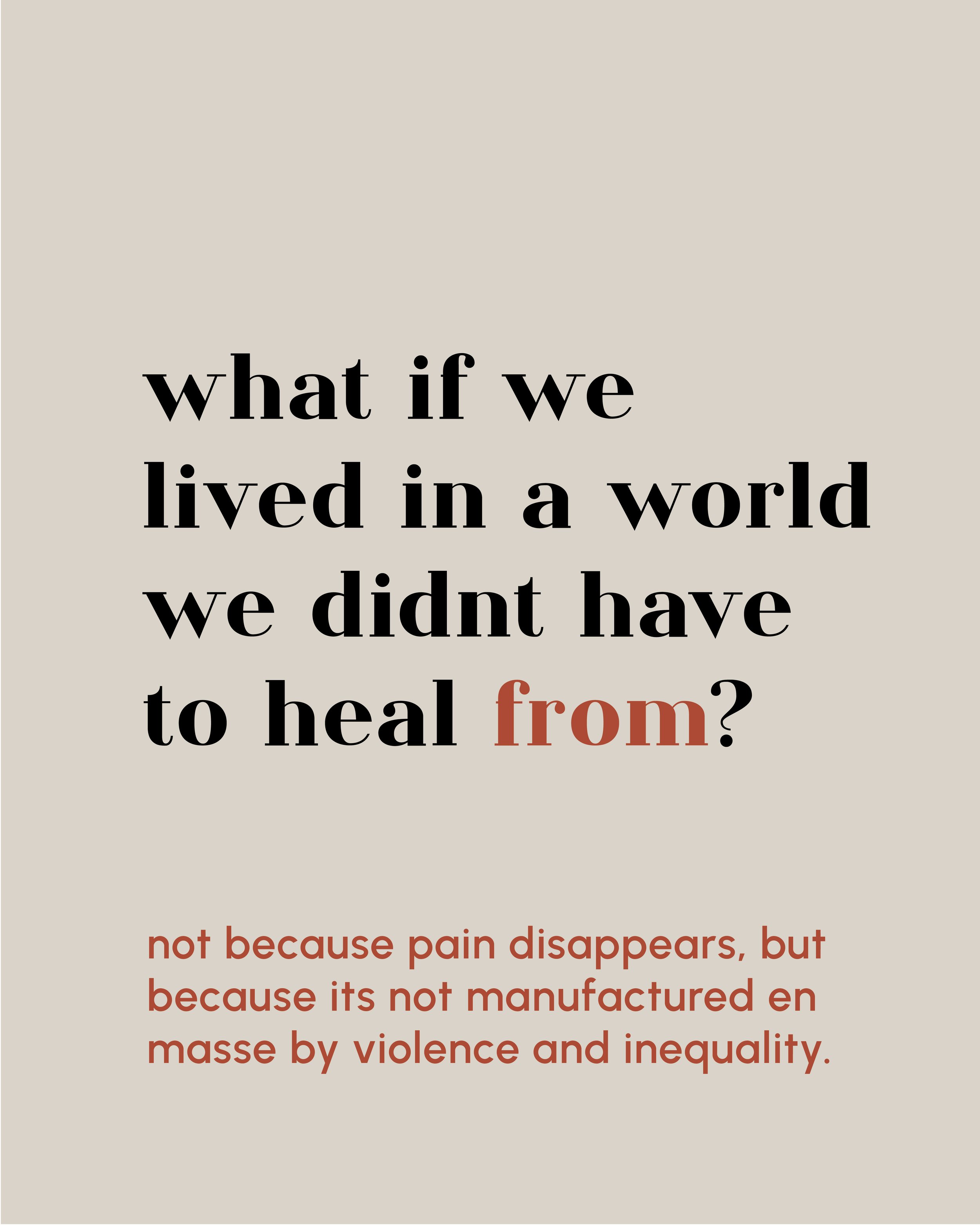
Imagine living in a world we didn’t have to heal from
What would it mean to live in a world we didn’t always have to heal from? Not because pain disappears but because it is no longer manufactured at scale through inequality, white supremacy, colonization, and systemic violence. This essay asks how we can design spaces that resist harm, nurture belonging, and move us closer to a world where healing is no longer endlessly required.
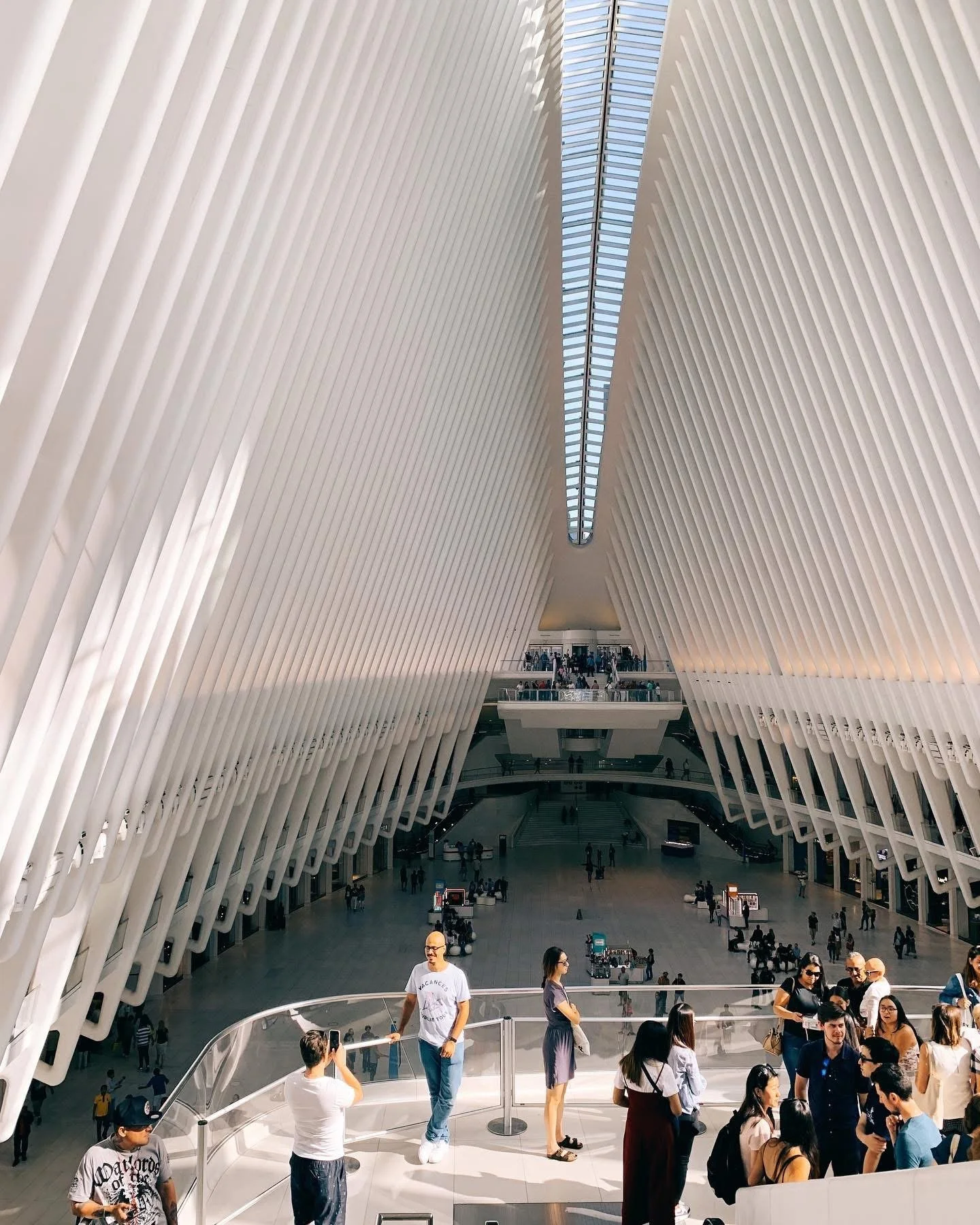
Why Spatial Justice?
If justice asks who gets what, spatial justice asks where. Drawing on foundational texts (Lefebvre, Soja, Fainstein), this primer explains the politics of place and why Lemon Papaya’s work is urgent now.
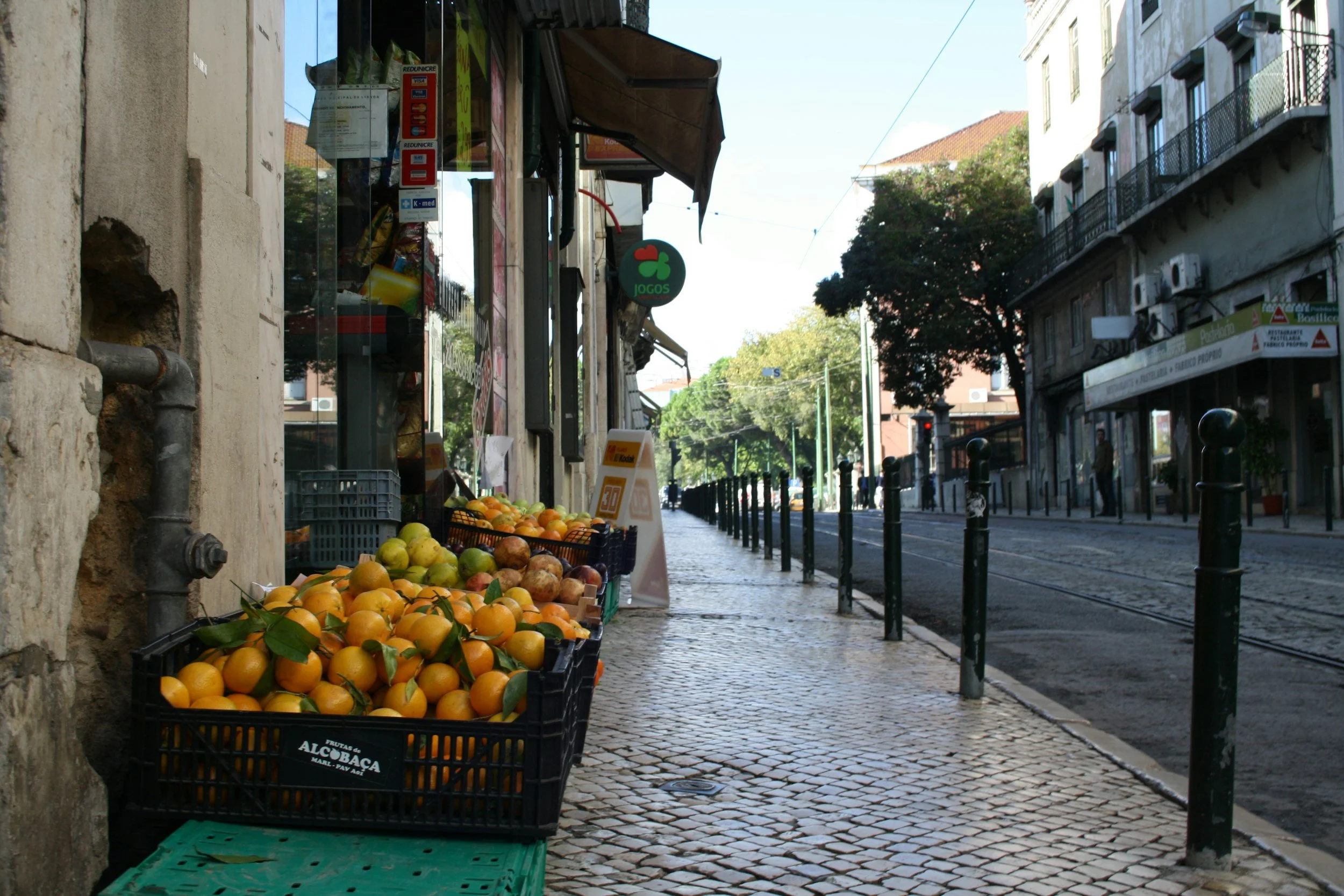
What is Spatial Justice? (and why it matters)
If justice is about who gets what and why, spatial justice asks where. Where the bus stops, where shade lands, where a ramp is, where a door locks, where the noise is sent. This primer is a pocket guide to seeing the politics of place, and what we can do about it.
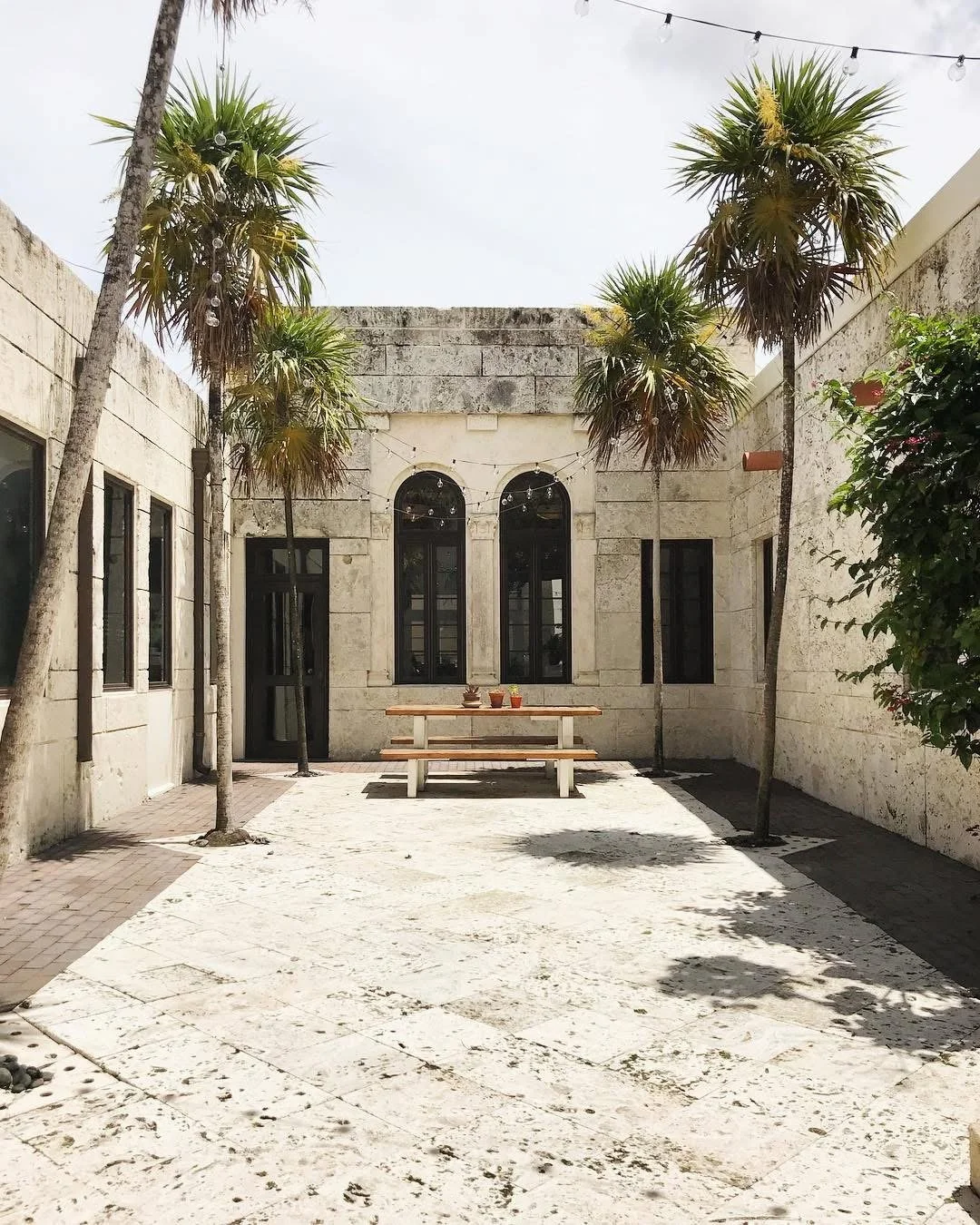
Design as Liberation: making belonging the default condition
The plaza wakes at dawn: vendors prepare their stalls, an elder tests a curb with her cane, a child chalks a hopscotch galaxy. Liberation, here, is not a slogan. It is the quiet redesign of who gets ease, time, and welcome. This is how we practice it in the everyday.