Optimism and architecture: lessons from the 2025 Aga Khan Award Winners
Architecture has always been a tool of power; used to enclose or to emancipate, to surveil or to shelter, to erase or to remember. The 2025 Aga Khan Award for Architecture winners makes this clear: design can either collude with systems of displacement and extraction or it can stand as an act of resistance, a practice of justice.
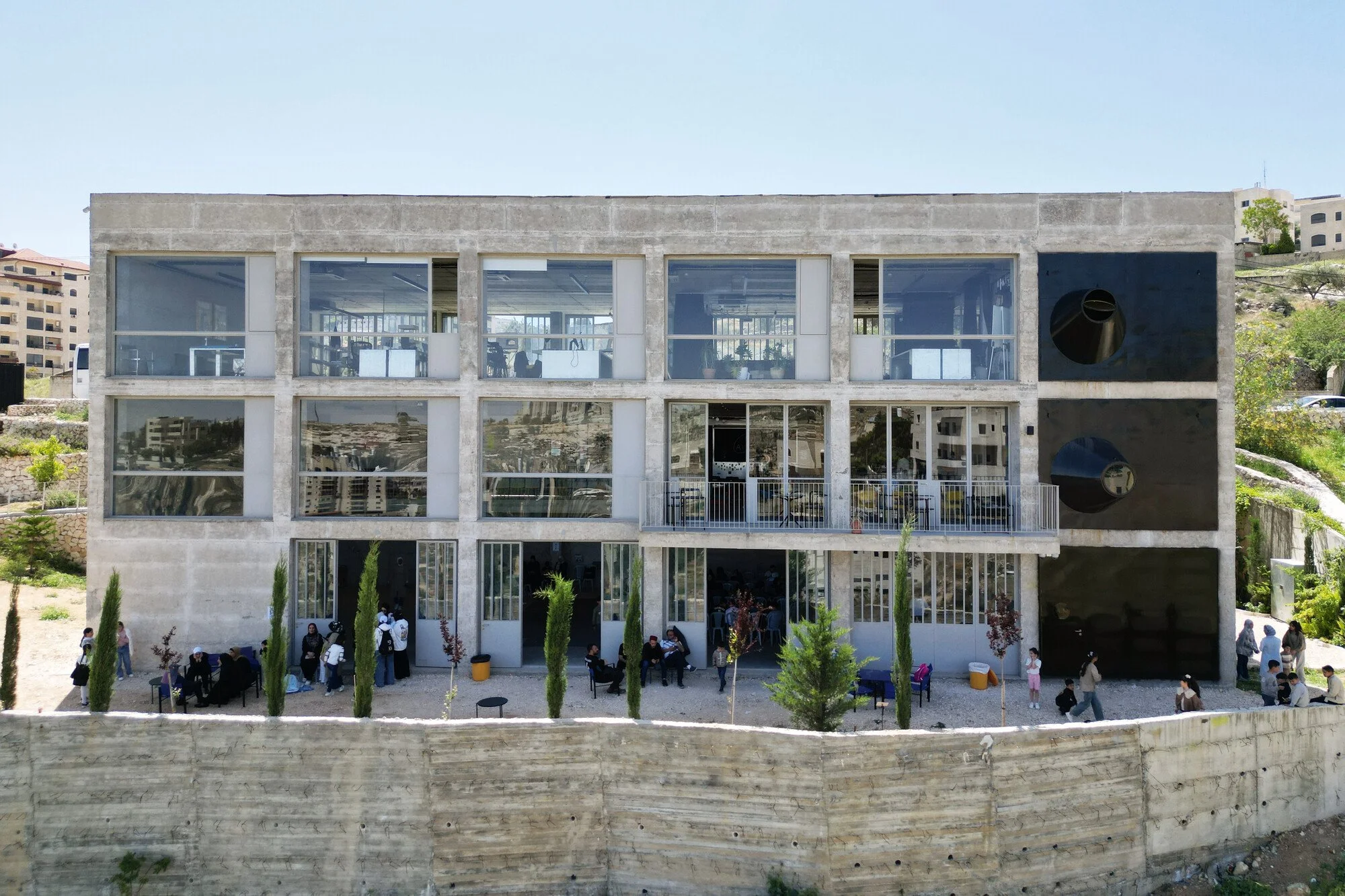
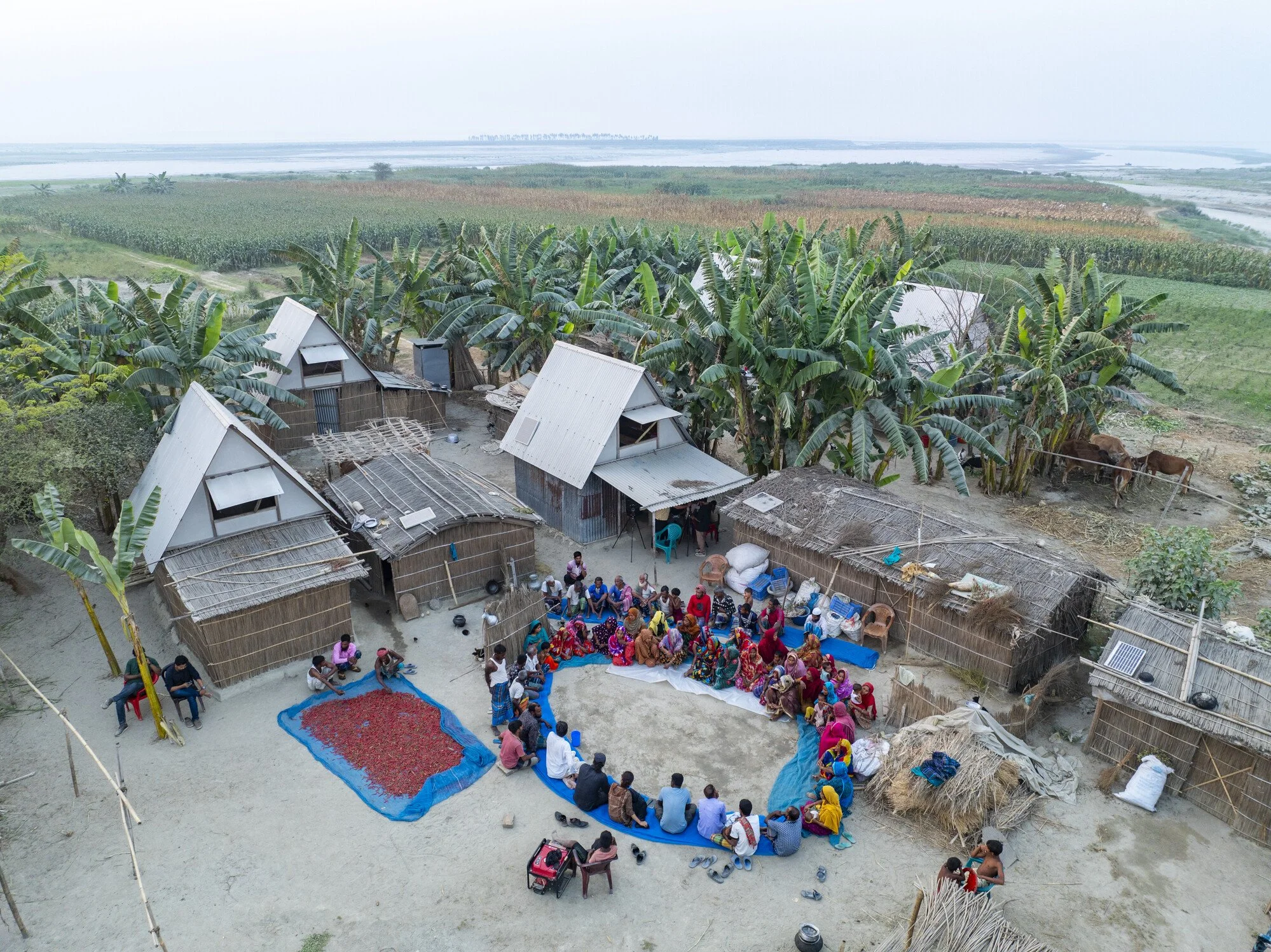
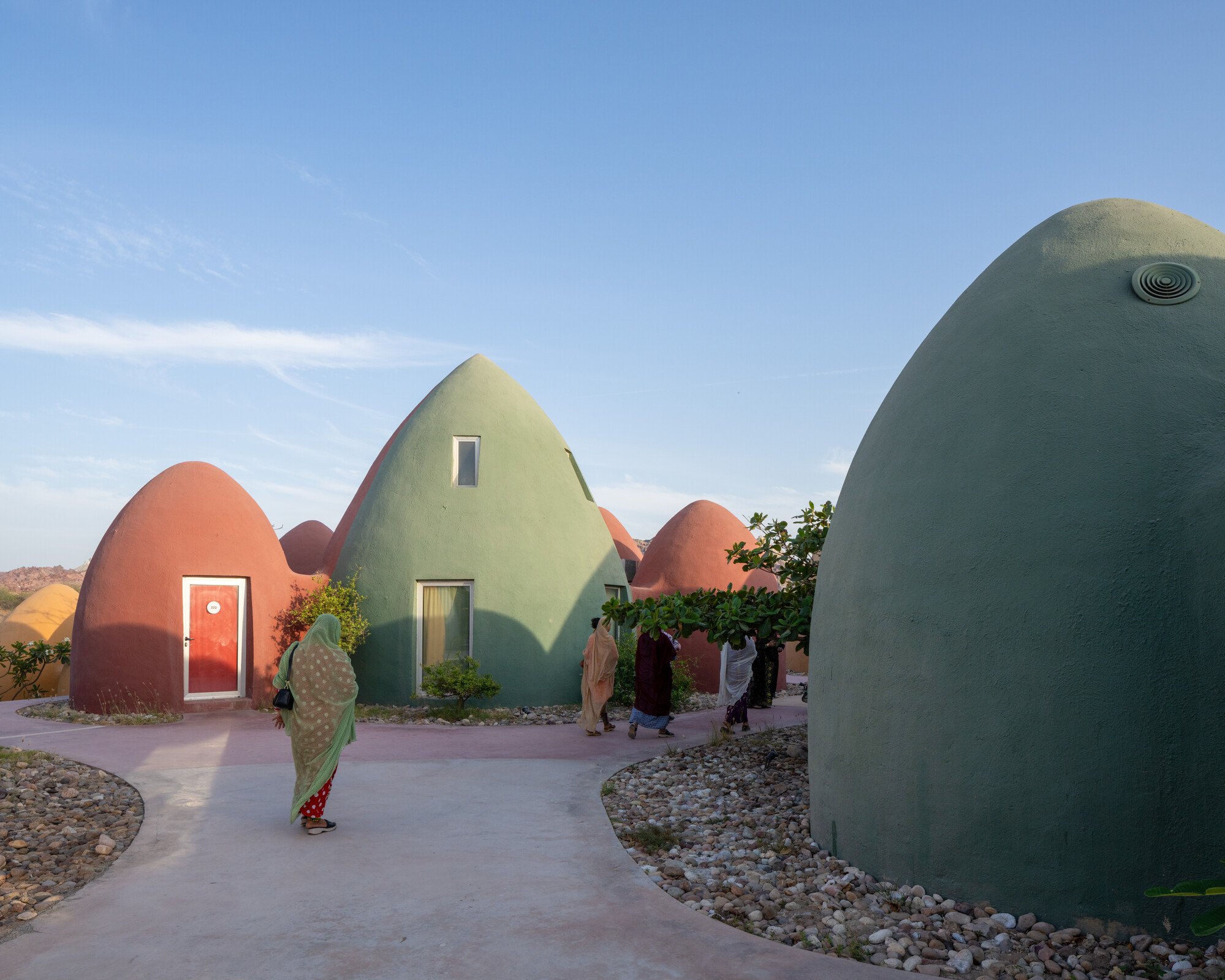
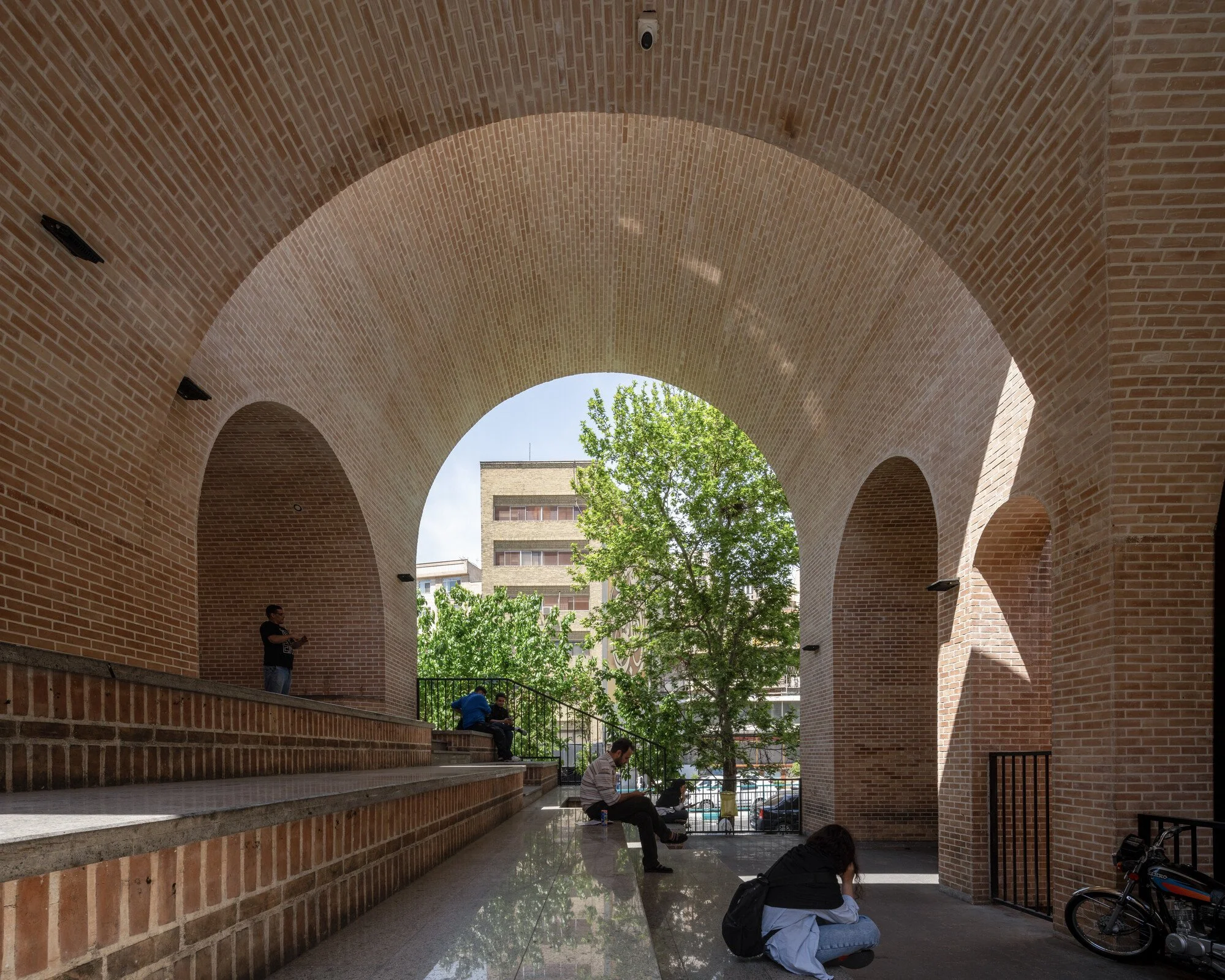
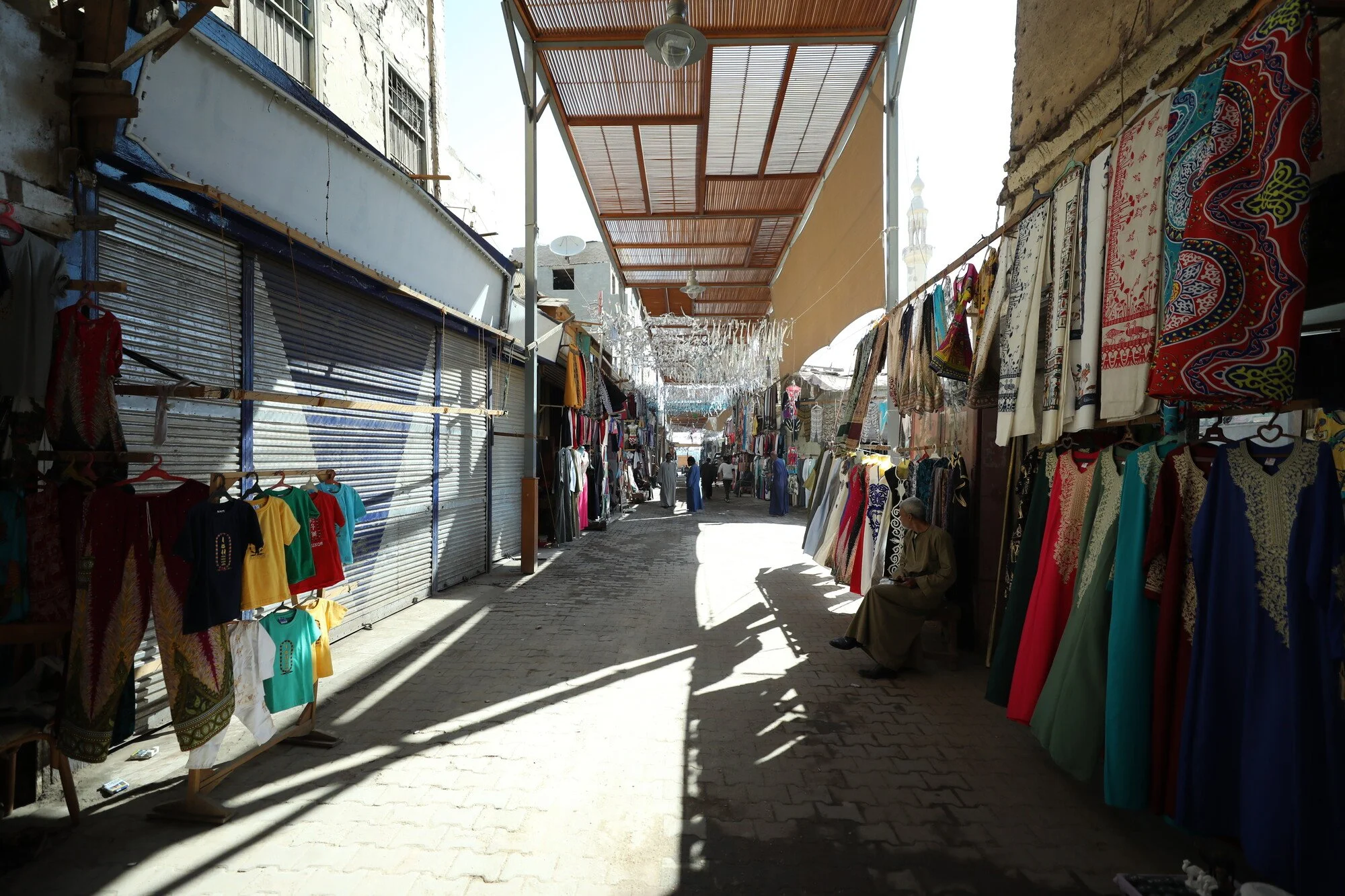
This year’s winning projects - flood-resilient homes in Bangladesh, a metro plaza reclaimed as public space in Iran, a cultural hub in Palestine, a revitalized historic quarter in Egypt - are not glossy monuments. They are political interventions, built in contexts of climate collapse, occupation, inequality, and erasure. Each project is an act of care, courage, and community.
Lessons we must carry forward
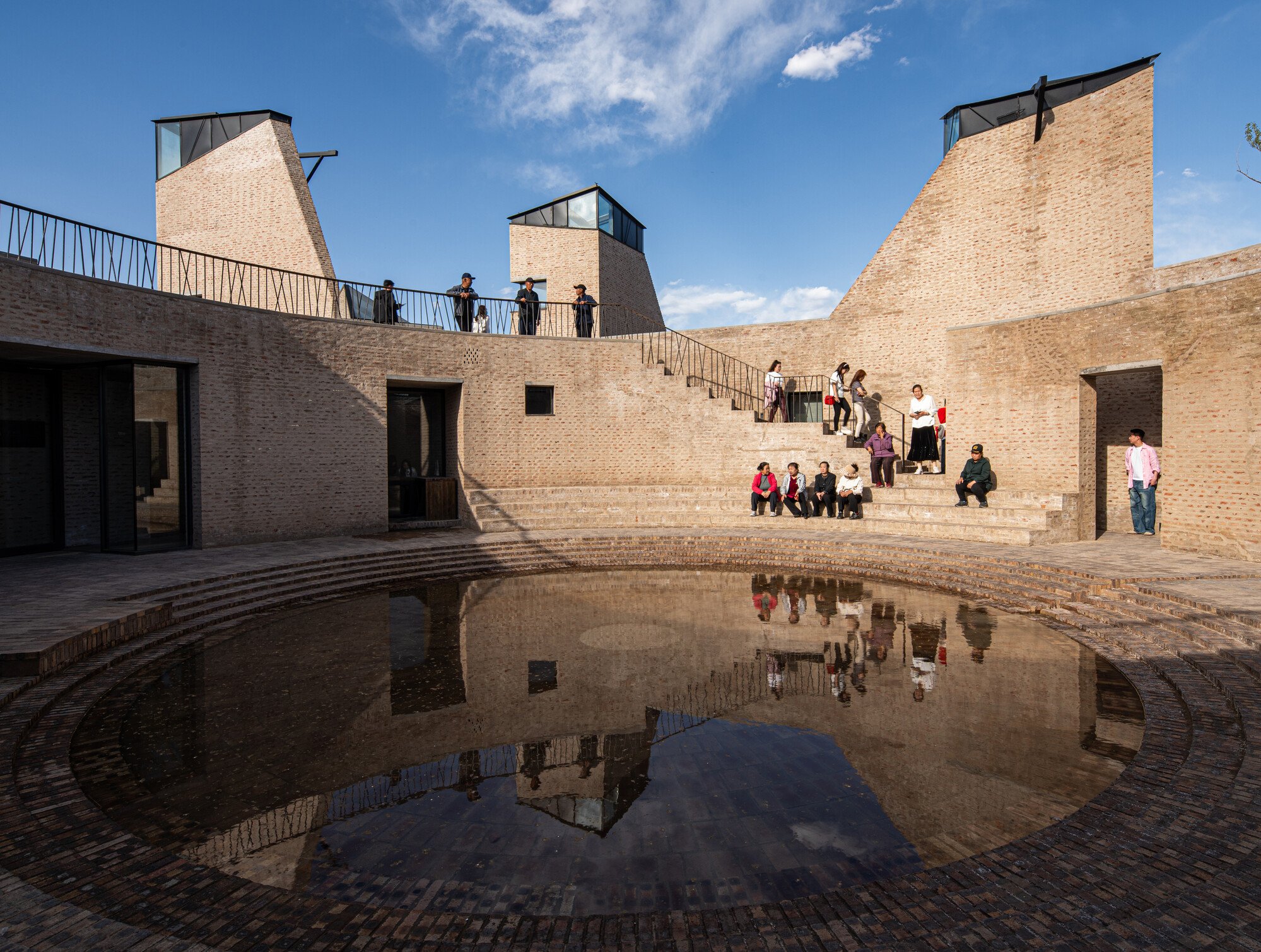
Architecture is social infrastructure. A house becomes survival for displaced families. A community hall becomes a commons against rural isolation. A metro entrance becomes civic space in a city under pressure. Each project insists that design must serve human connection.
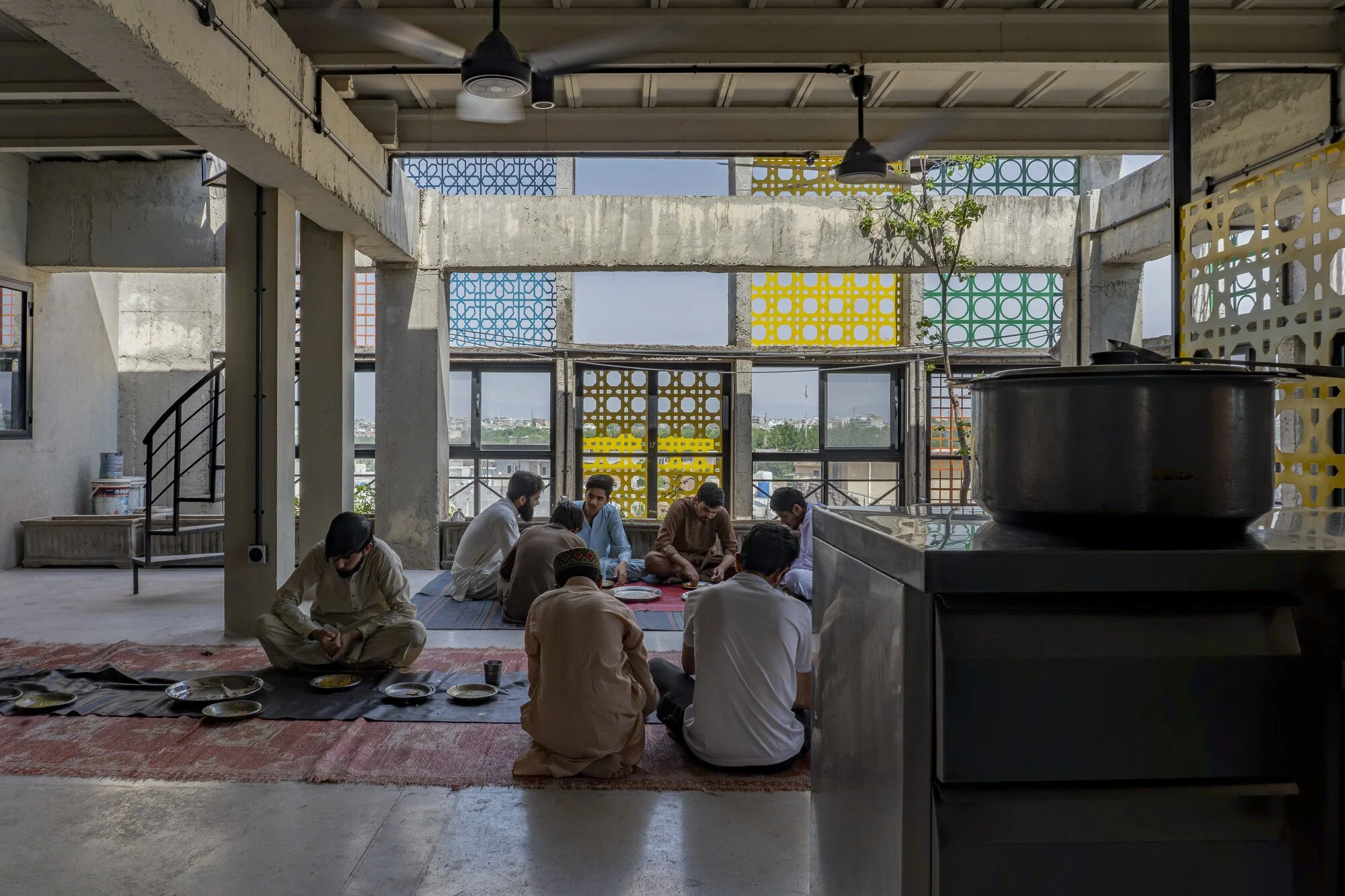
Resilience grows from rootedness. Bamboo joinery, hand-made brick, reinterpreted jaali screens. They are not stylistic choices, they are political; they reject imported templates and centre local knowledge, materials, and labour. These choices are ecological and cultural. Sustainability is not only about technology but about belonging to place.
Participation is liberation. Self-build housing in Bangladesh or community-run revitalization in Esna refuse top-down imposition. They show that justice in design means redistributing decision-making power. When communities co-build and co-govern, architecture becomes more than a product; it becomes a practice of self-determination.
Small interventions shift worlds. Opening a stairwell to the sky, colouring walls with joy, repairing a historic street. Modest moves that transform collective life. Moves that defy the myth that only mega-projects matter. They remind us that resistance can be incremental, tactical, and deeply human.
Joy and dignity are justice. In places scarred by displacement, delight itself becomes political. Colour, shade, tactility, beauty. These are conditions that allow people to feel safe, seen, and celebrated. They are conditions of survival, not luxuries.
Why this matters now
We live in an age of forced migration, rising authoritarianism, accelerating climate collapse, and deep social fracture. Architecture too often serves power; the Aga Khan Award winners disrupt this pattern. They show us that architecture can respond, not with spectacle, but with solidarity. That architecture can be reparative, restoring memory, amplifying culture, enabling belonging. They remind us that in today’s socio-political climate, to design with justice is to design against forgetting, against control, against oppression.
These projects don’t just align with our values, they operationalize them. They show that another design economy is possible; one in which power is shared, beauty is common, and resilience is born from the intelligence of place.
Ready to design in this direction together? Let’s chat.