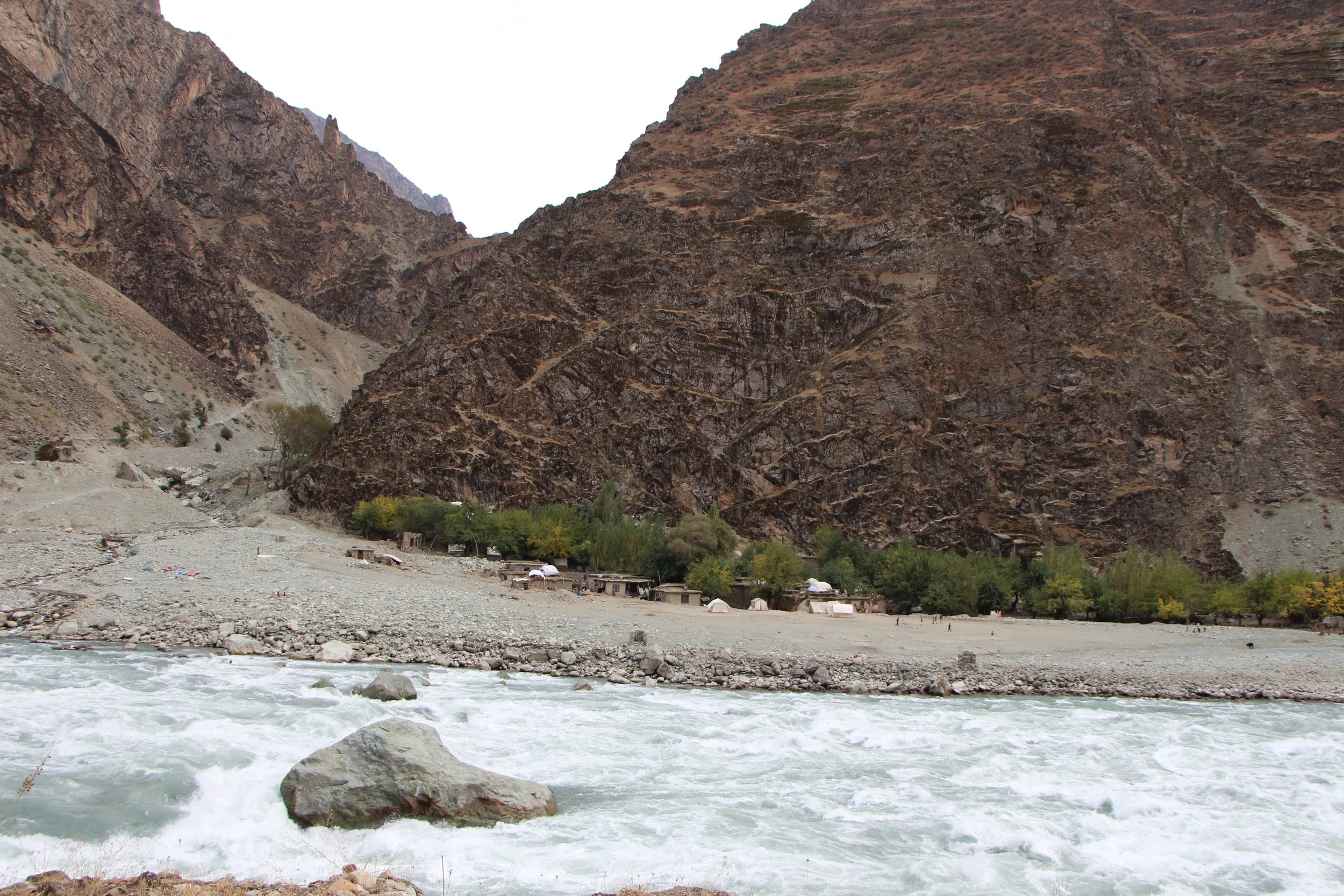
Design Guidelines: Housing Strategies for rural, mountainous areas in Central Asia
Afghanistan | Pakistan | Tajikistan
How do we design minimum standards and maximum belonging?
Across rural, mountains regions of Afghanistan, Tajikistan, and Northern Pakistan, the Model Home project supports communities to create homes that are safe, affordable, and rooted in place. A single prototype, however, cannot answer for three countries with distinct geographies, climates, economies, and cultural practices. The task is not to prescribe one ‘model home,’ but to equip households with flexible building solutions that adapt to local conditions without compromising safety, dignity, or belonging.
Method
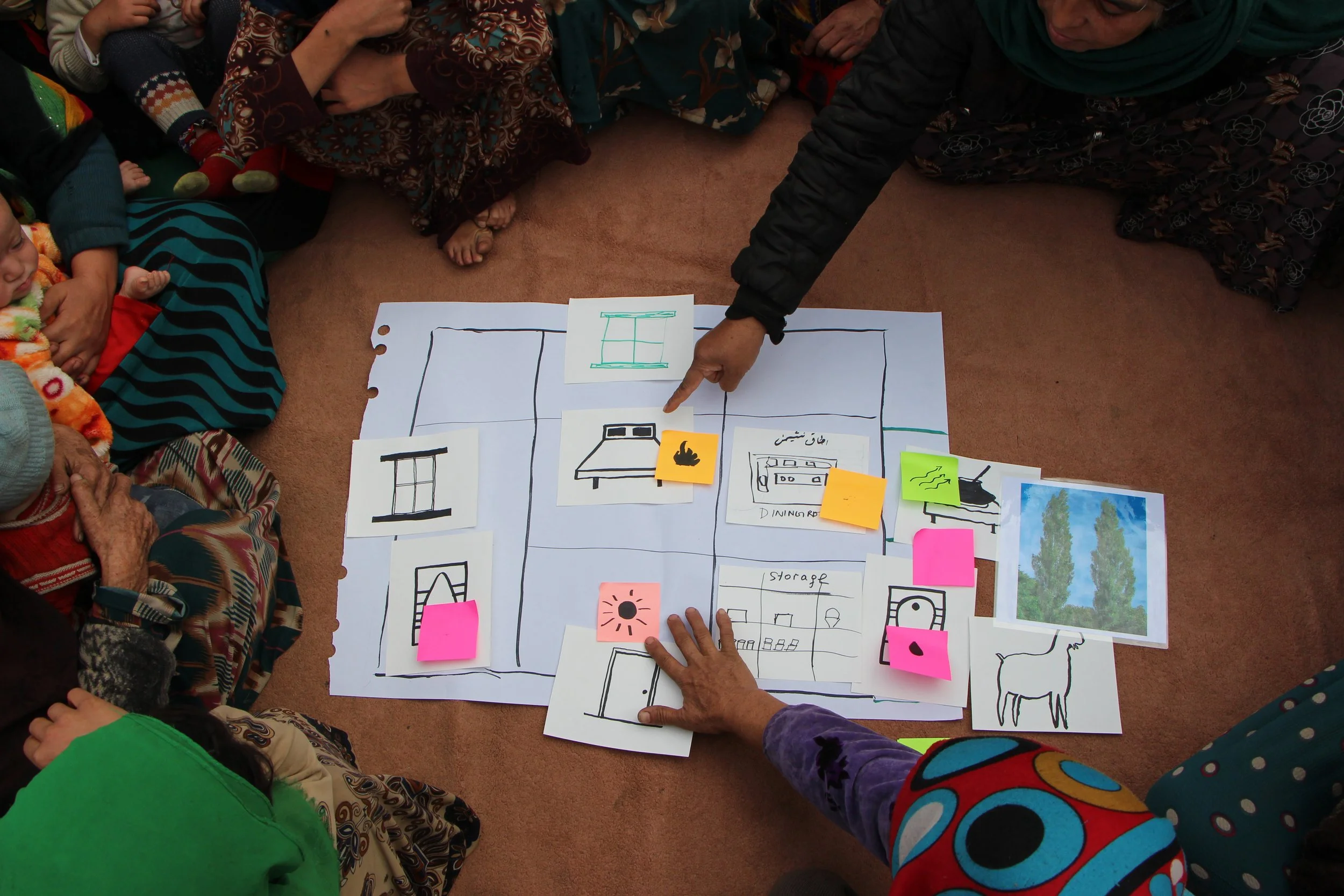
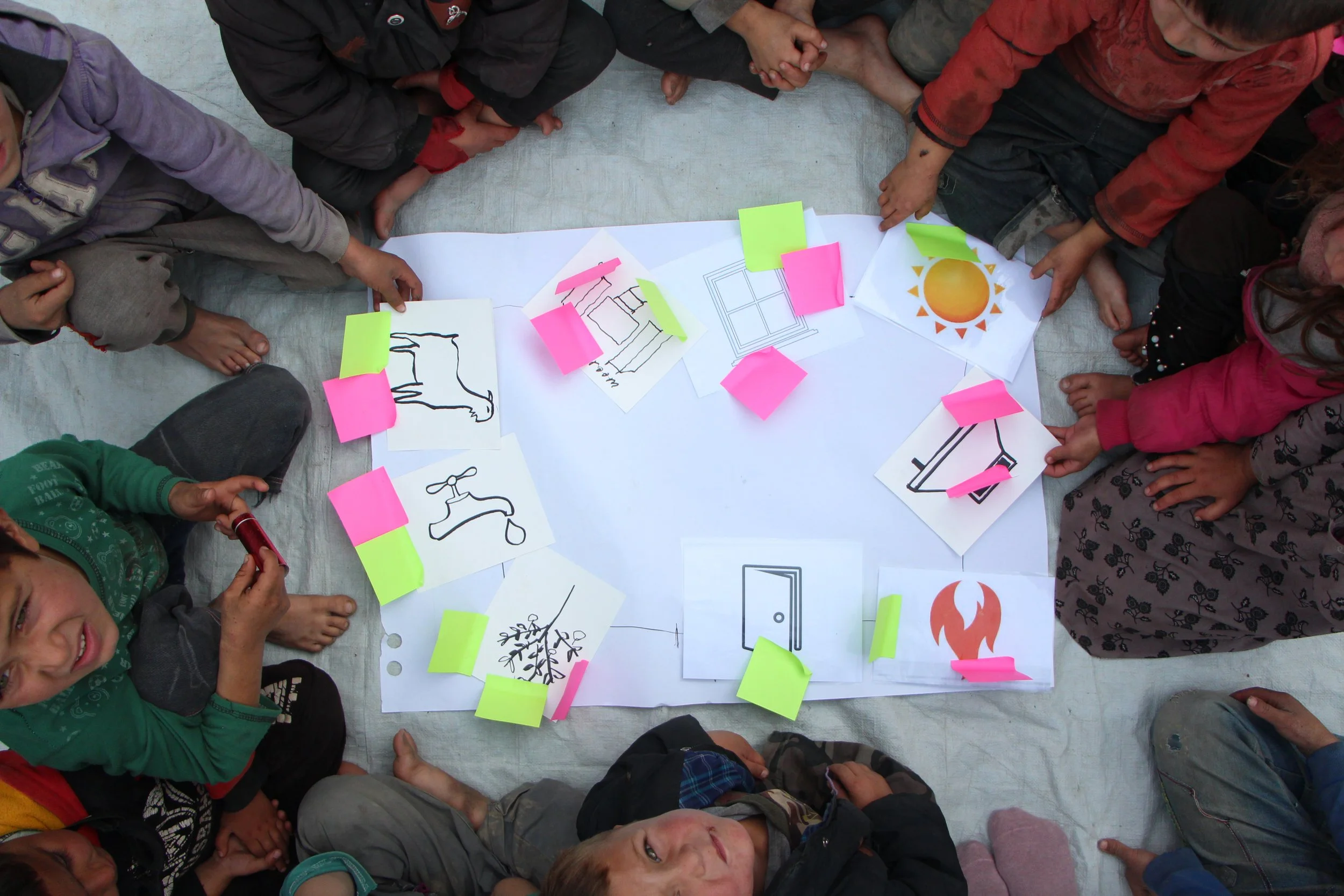
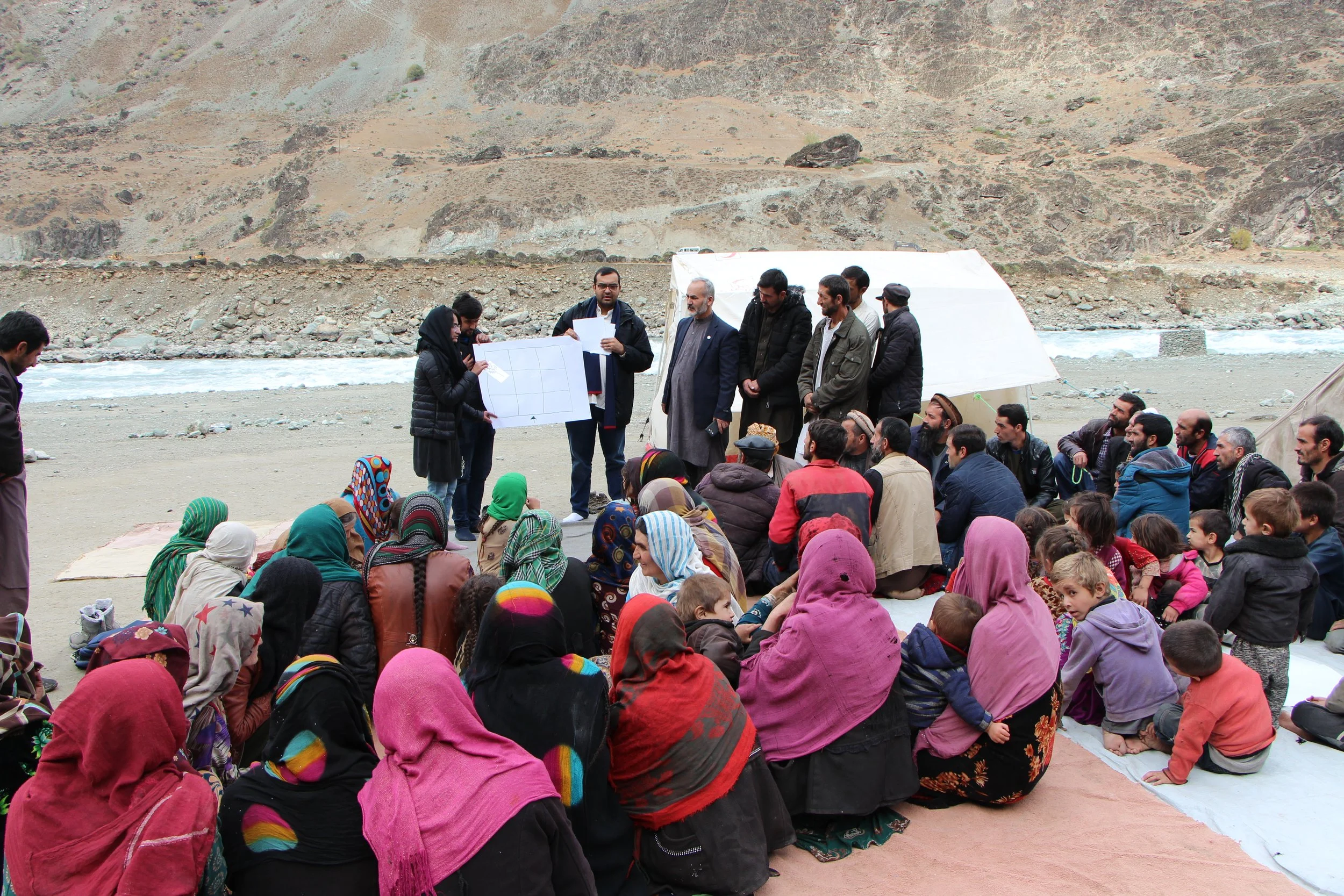
Participatory Design: households are co-creators; AKAH provides technical support.
Research + Site Immersion: literature and precedent review, previous project learnings, on-site study of materials, skills, and lived conditions.
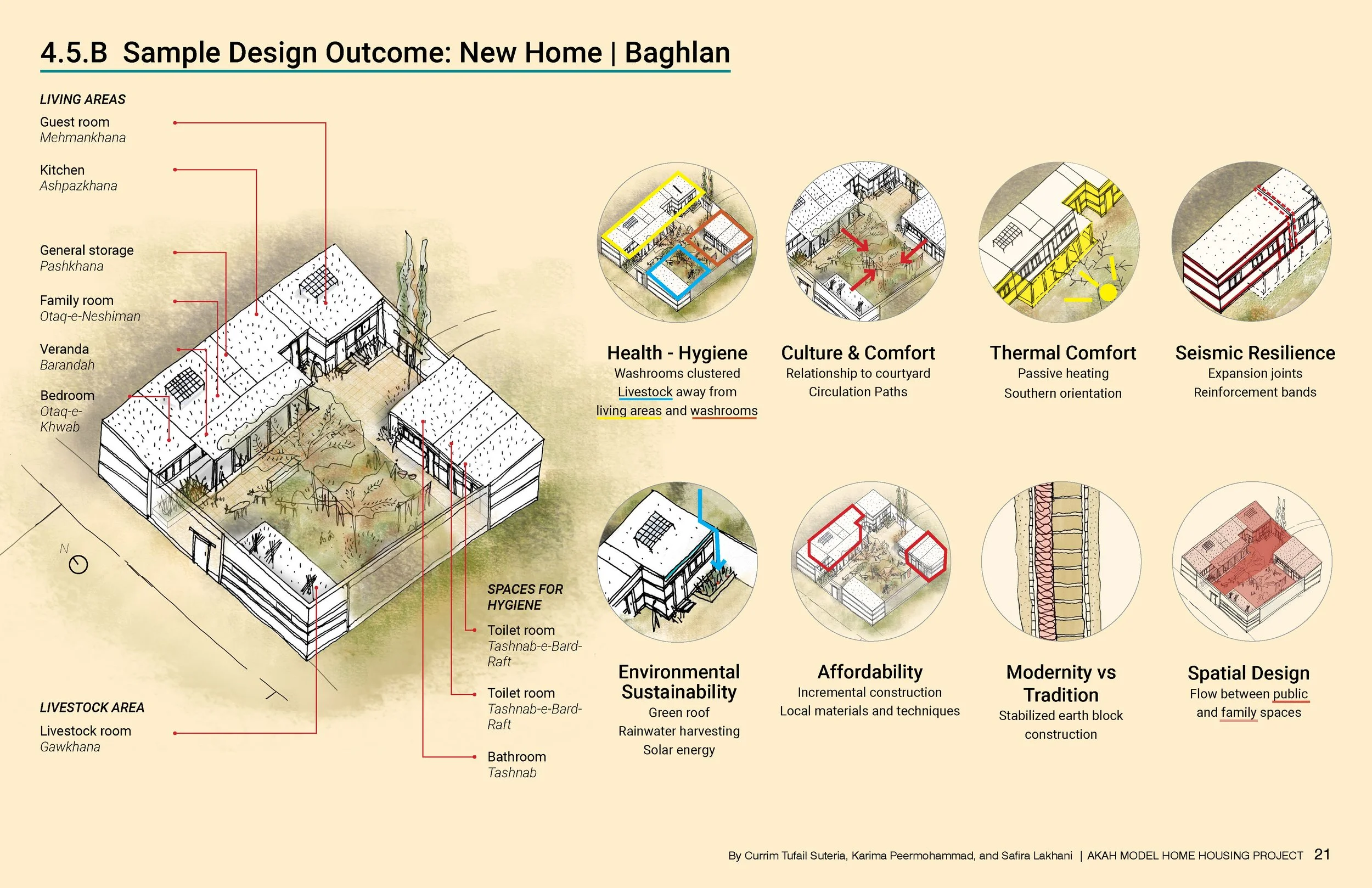
Systems Lens: every move advances environmental sustainability, affordability, seismic resilience, thermal comfort, hygiene, and cultural continuity.
Incremental + New-Build Pathways: clear guidance for upgrading existing homes and for building new ones, paced to household resources.
Outcomes
Legible Analyses
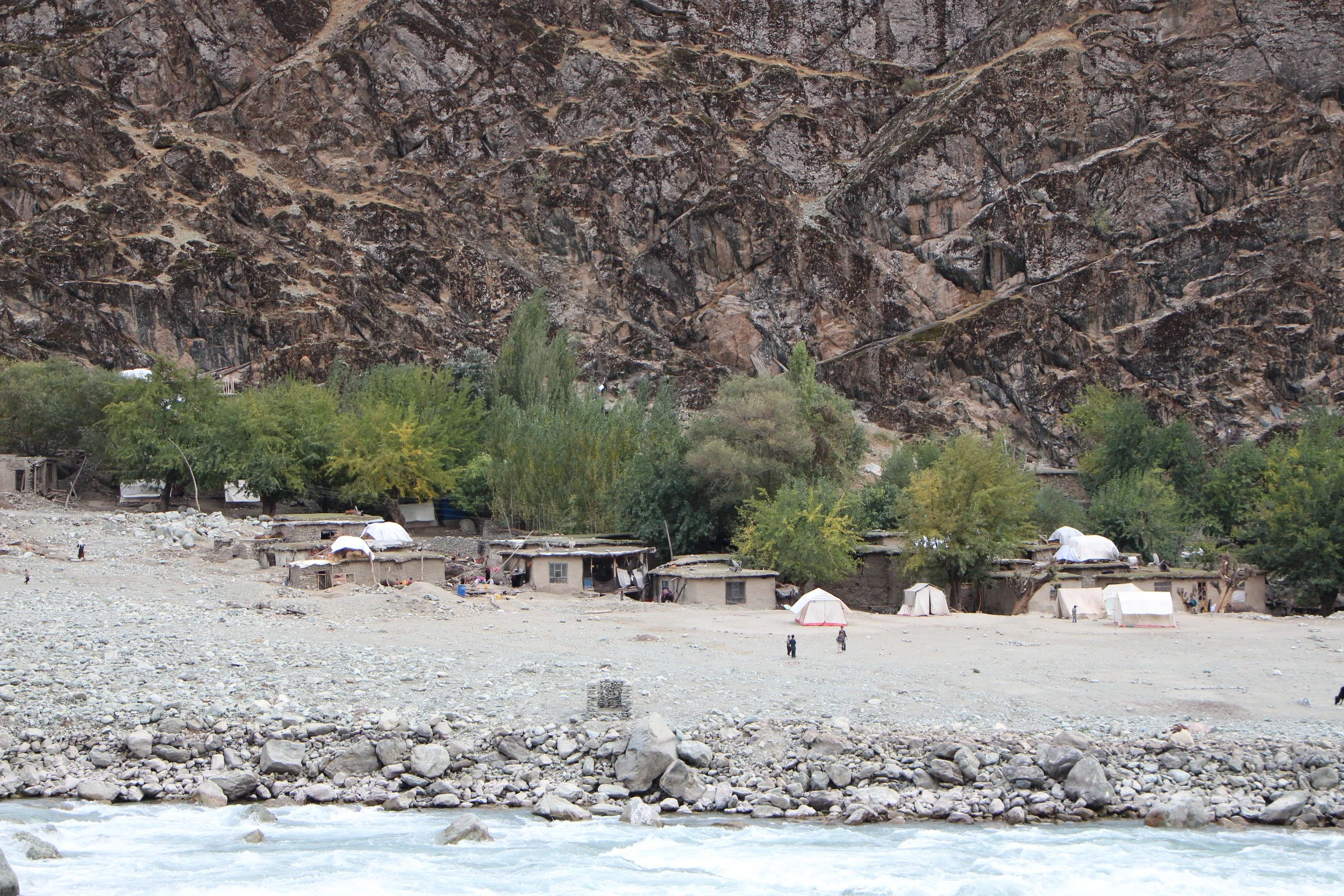
Country-specific analyses turned complexity into clarity. We mapped climate and seismic risks, settlement patterns, materials economies, and cultural spatial logics to identify risks and opportunities.
Useable Guidelines
Illustrated, plain-language Best Practice Guidelines translate standards into action, showing households how to stage upgrades or build anew with local technical support on the ground.
Buildable Details
Step-by-step sequences align with local skills and supply chains so ‘good practice’ is hands-on and doable.
Feedback, Looped Forward
The work is intentionally iterative: lessons from pilots and field use fold back into the country guidelines which live as evolving documents, responsive to on-the-ground realities while holding firm to minimum safety and quality.
What This Means
When a home is safe, warm, and clean, families experience dignity and control. Integrity of the home is a lever out of poverty; the home is an asset that protects life, health, and future opportunity. By framing the Model Home as a process rather than an outcome, households are engaged as authors of their environment, which advances self-determination, builds local capacity, and transforms ‘aid’ into shared practice.
Impact
The Model Home project is delivering safe, healthier, and more affordable living. Through a participatory process, households are adopting seismic-conscious detailing, passive thermal strategies, and hygienic layouts through staged upgrades that match real budgets. Local builders gain clear, buildable guidance, strengthening capacity and ownership. Crucially, our project is iterative: field feedback from pilots will fold back into the country guidelines which are maintained as a living document. Families shape homes that reflect cultural life and meet core standards, proving a program can scale across mountains without flattening difference.
Project Type: Design Guidelines + Advisory Services
Year: 2020
Client: Aga Khan Agency for Habitat
Location: various areas of Afghanistan, Northern Pakistan, and Tajikistan
Services: Country Analyses; Research Synthesis; Site Analysis; Community Engagement; Best Practice Guidelines; Technical Advisory; Pilot Project Advisory; Monitoring Feedback and Iteration; Knowledge Translation and Visualization; Program Strategy and Scalability.
Collaborators: Currim Suteria; Karima Peermohammad.