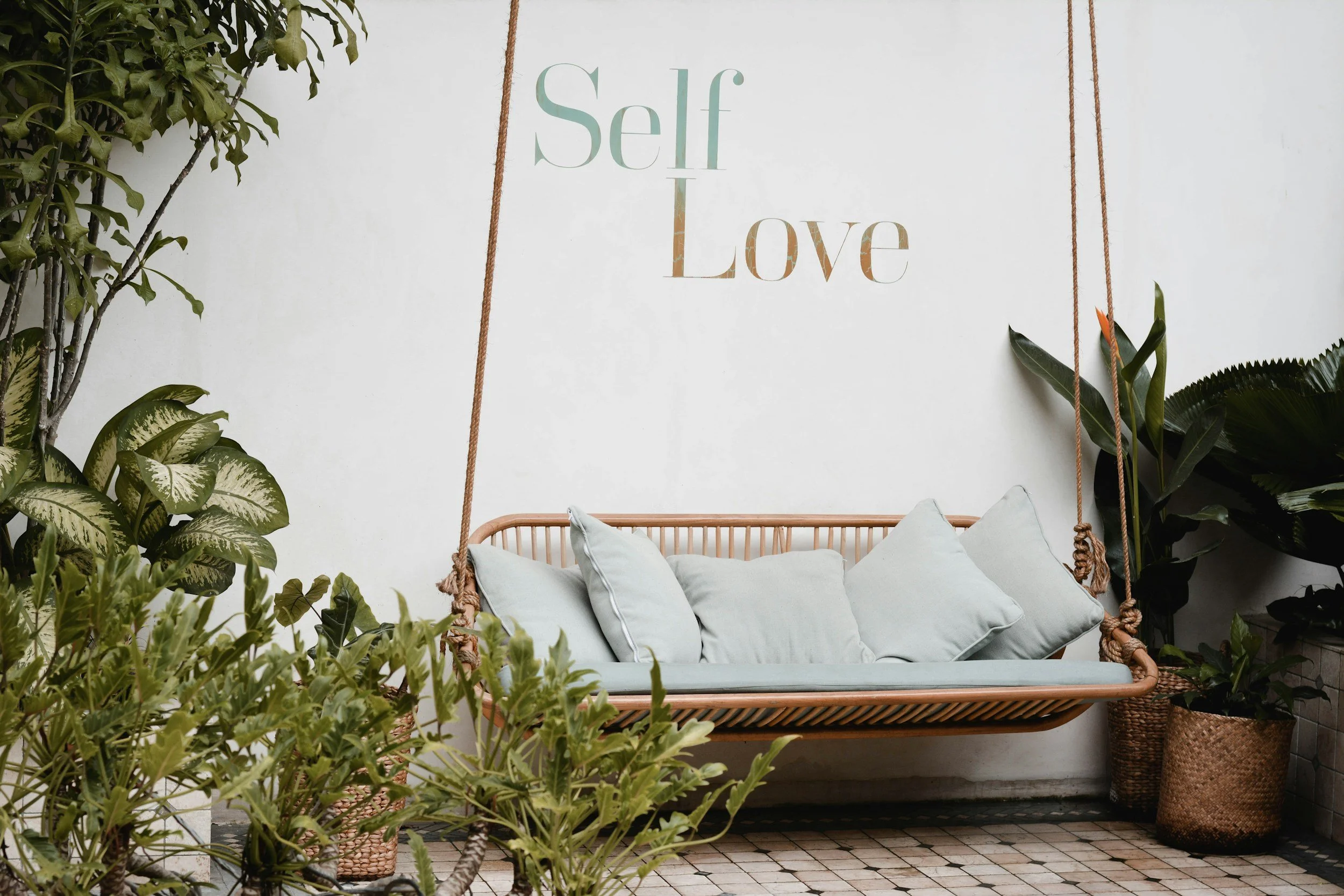
Designing for Wellness: Lifestyle Medicine Clinic
Calgary, Canada
What changes when we design for wellness? Can architecture practice care before a clinician ever does?
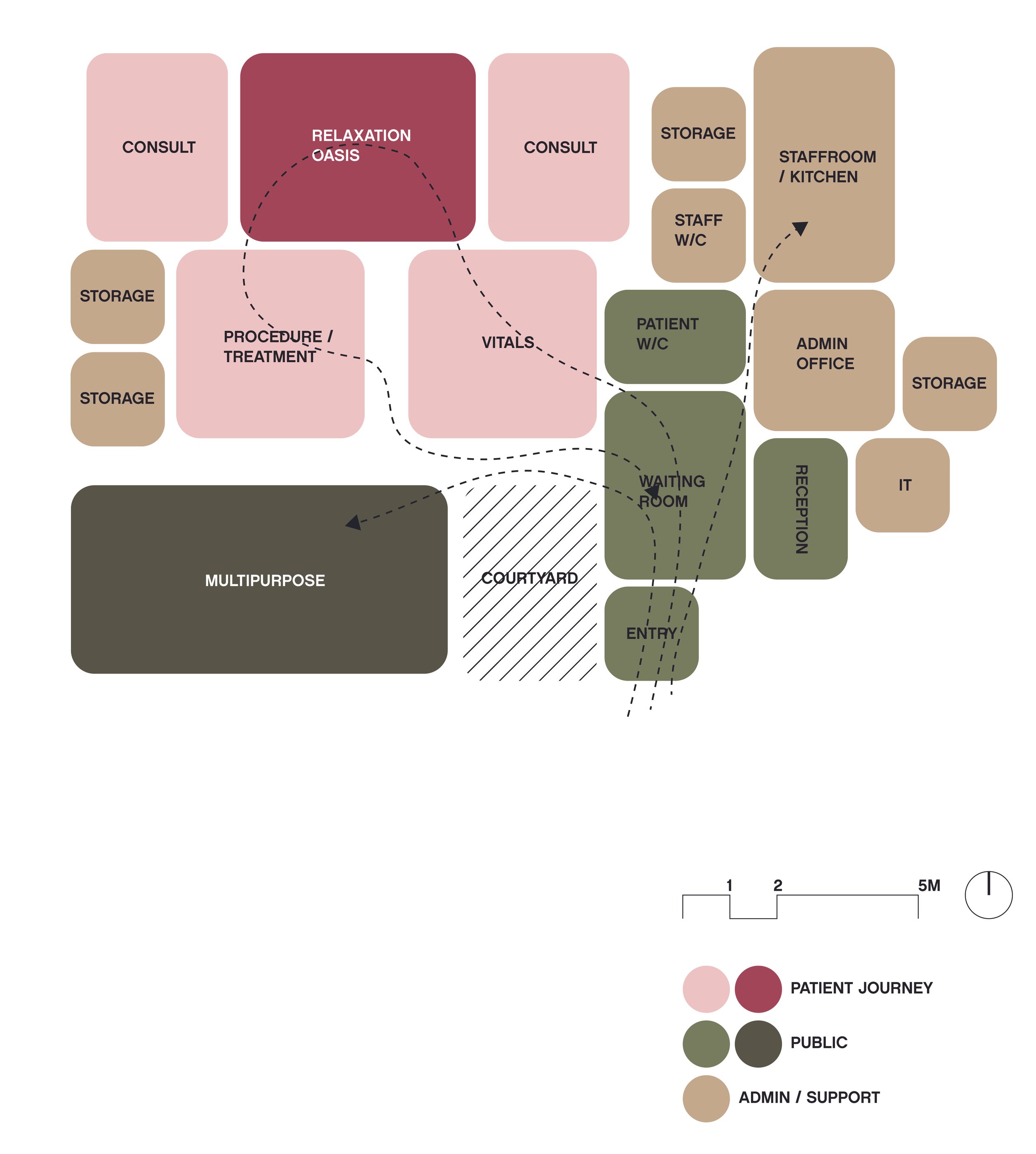
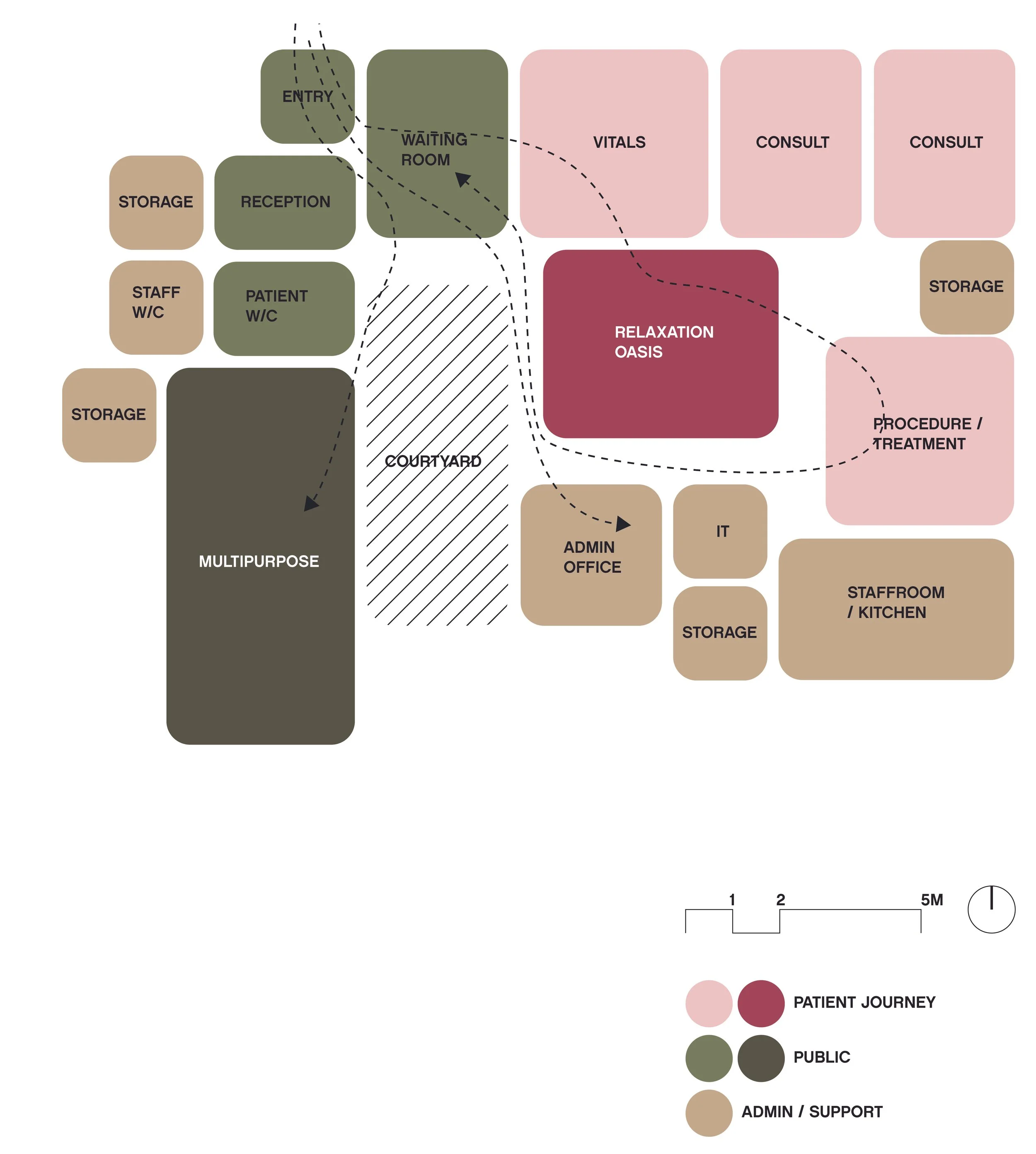
A clinic that feels like a spa, and cares like family. This project reimagines the clinical journey through the lens of lifestyle medicine. We centre healing, equity, and dignity at every touchpoint. Grounded in research and participatory workshops, we developed a comprehensive programme and two design schemes that choreographed the patient experience: a slower, kinder clinical journey where light, material, and movement support health.
Method
Co-creation workshops: define success, map stakeholders, and articulate desired patient experience, grounded in research and lived realities.
Precedent Compendium: a curated library of design projects organized against Lifestyle Medicine’s six pillars.
Code and Guideline Review: reference of relevant health and building design standards to develop a unique programme that was visionary and implementable.
Experience Mapping: parallel journeys for patients, staff, and public to align service delivery with spatial sequences that reduce stress and friction.
Context
Lifestyle Medicine (LM) prioritises prevention, treatment, and reversal of chronic disease by transforming daily habits, not merely prescribing procedures. The clinic’s vision: design for wellness, not sickness. Architecturally, that means spaces that are intentional in inviting calm, agency, and belonging; environments that reduce stress, support behaviour change, and make equity felt, not just stated.
Most clinics are built around throughput. This project asked a different question: what if the building itself practiced care? We set out to curate movement and experience so patients feel supported and seen, especially those often excluded by conventional clinical design.
Designing with the Six Pillars of Lifestyle Medicine
Whole-Food, Plant-Predominant Eating: biophilic elements; community garden; visual connection to greenery via courtyard; connection to seasons; hydration points; material palette that communicates freshness and ease of maintenance.
Physical Activity: circulation and movement in and around the space; stairs presented as first choice; micro-movement prompts (lean rails, perching spots); stroller and mobility-friendly routes.
Restorative Sleep: circadian-aware lighting strategy; glare control and acoustic calm; soft, low-stimulus zones for sensory rest and post-vitals decompression.
Stress Management: biophilic elements; predictable way-finding; privacy gradients; use of water, colour, and spaces that slow down.
Avoidance of Risky Substances: air quality; plants that support biofiltration systems; low VOC materials. Design can nudge users into positive behaviours by providing a range of suitable stimuli (positive proximity) for behaviour change.
Positive Social Connections: courtyard as communal heart; group rooms for classes and coaching; seating strategies that enable togetherness and dignified solitude.
Why This Matters
When the built environment reflects lifestyle medicine, care becomes practice, not performance. This brief demonstrates how architecture can nurture new habits, redistribute comfort and dignity, and reduce barriers to health, especially for those excluded by conventional care settings.
Project Type: Architectural research and concept development
Year: 2025
Client: Confidential healthcare provider
Location: Calgary, Canada
Services: Research, participatory workshops, precedent studies, programme and spatial adjacency development, patient/staff/public journey mapping, accessibility and bariatric design guidance.
Collaborators: Snehanjali Sumanth, PhD.