ComFORT Downtown: creating intimate cities
Edmonton, Canada
Build your fort; build your city.
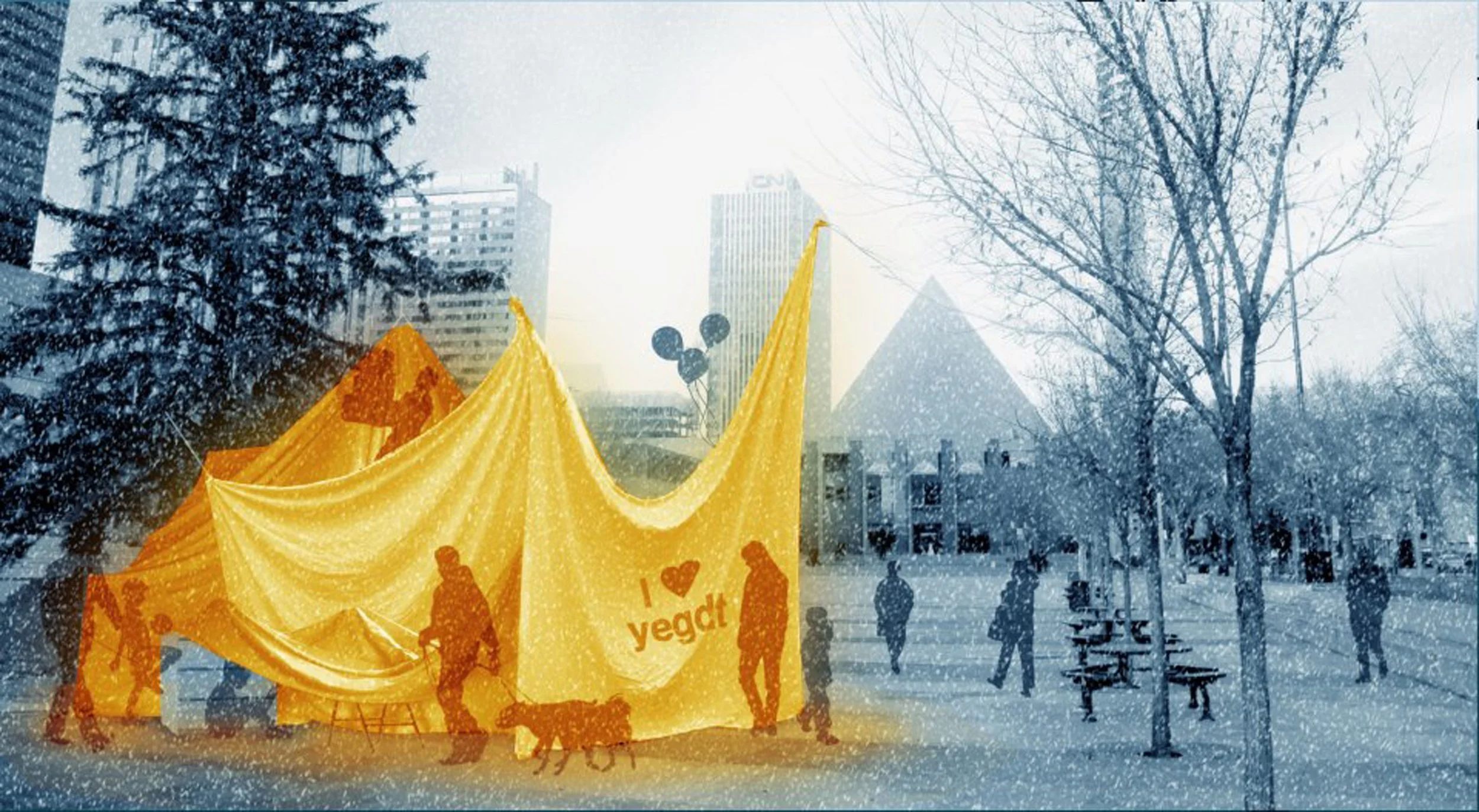
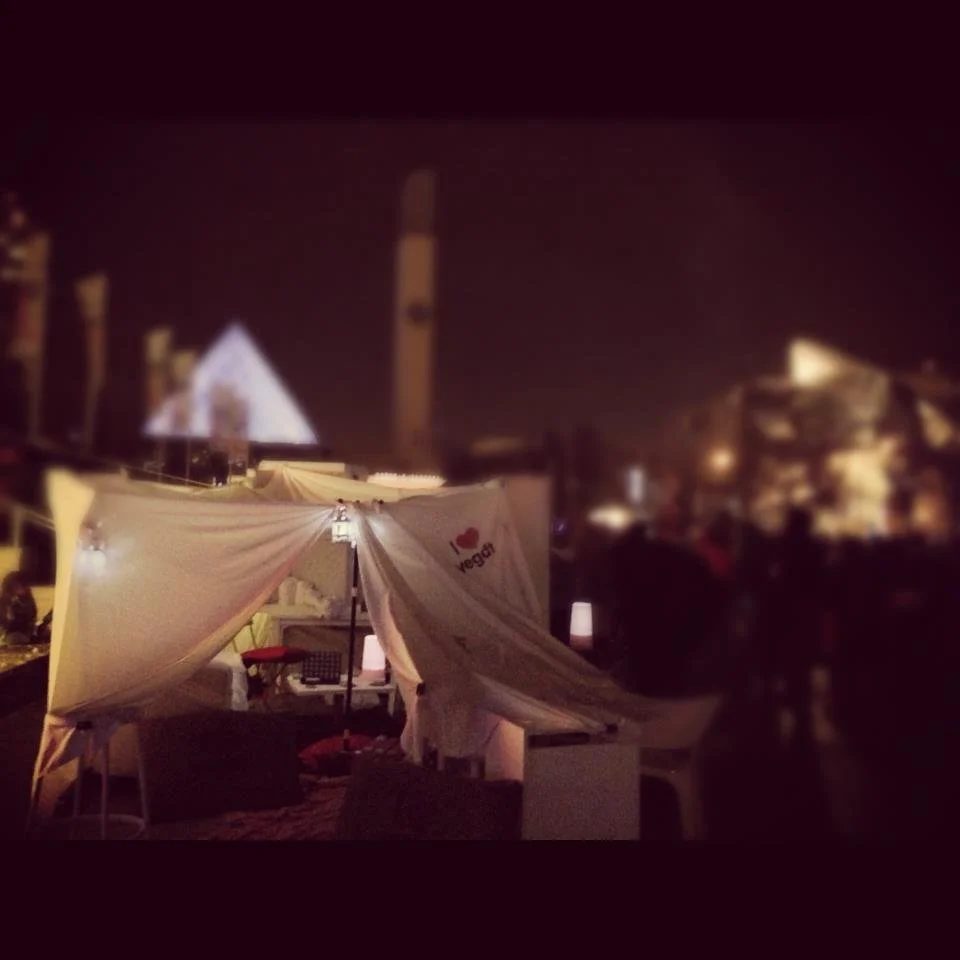
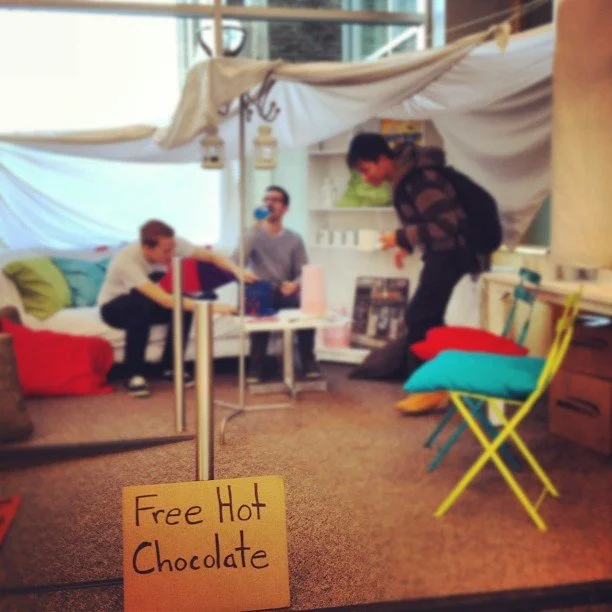
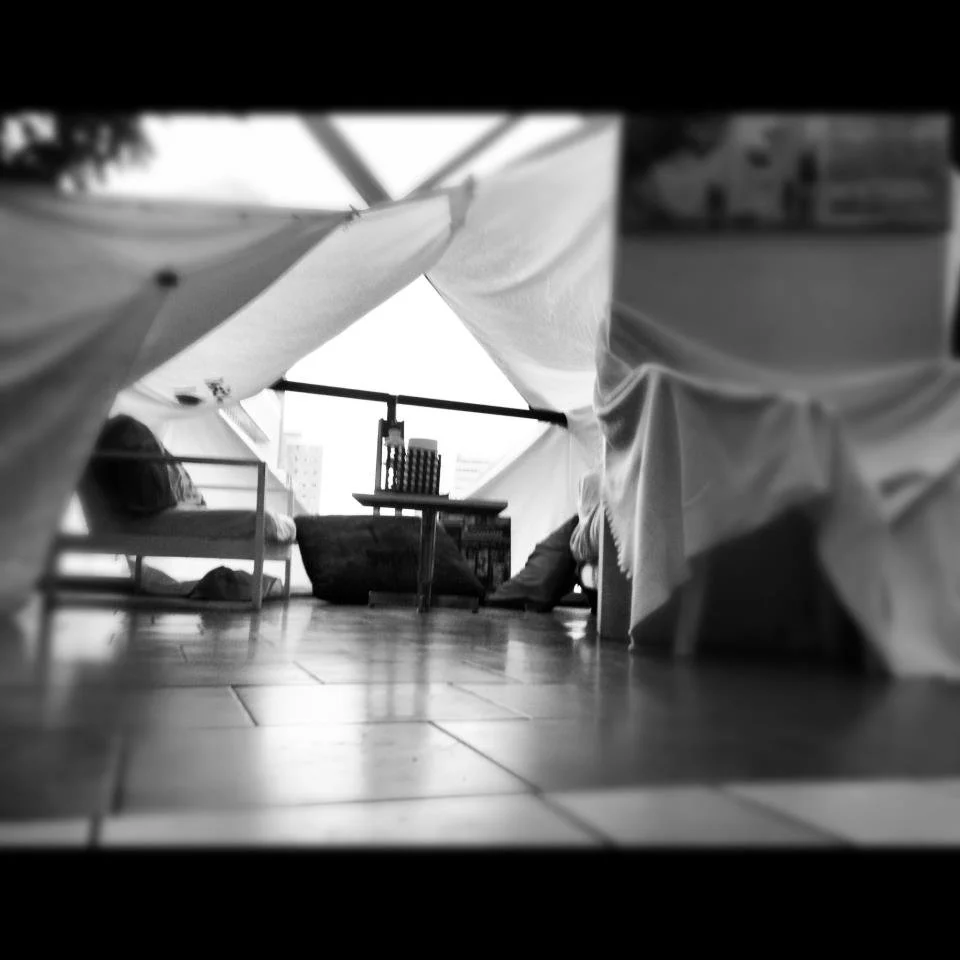
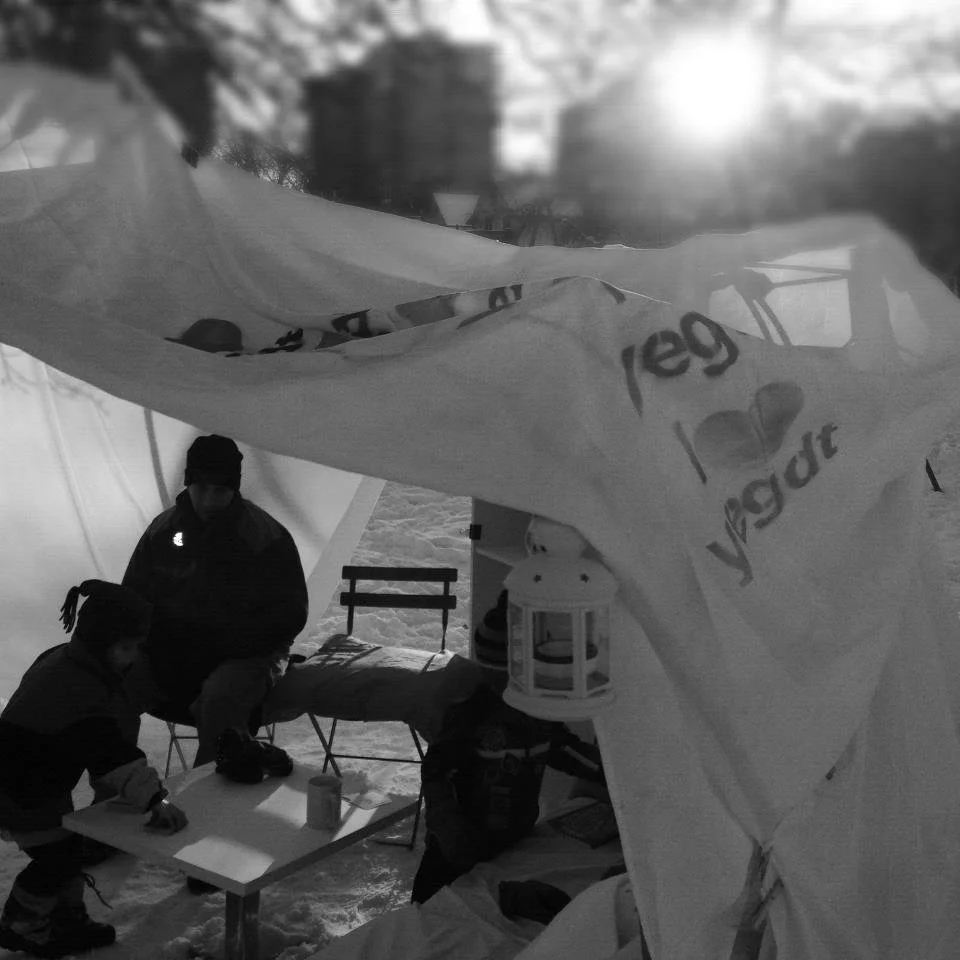
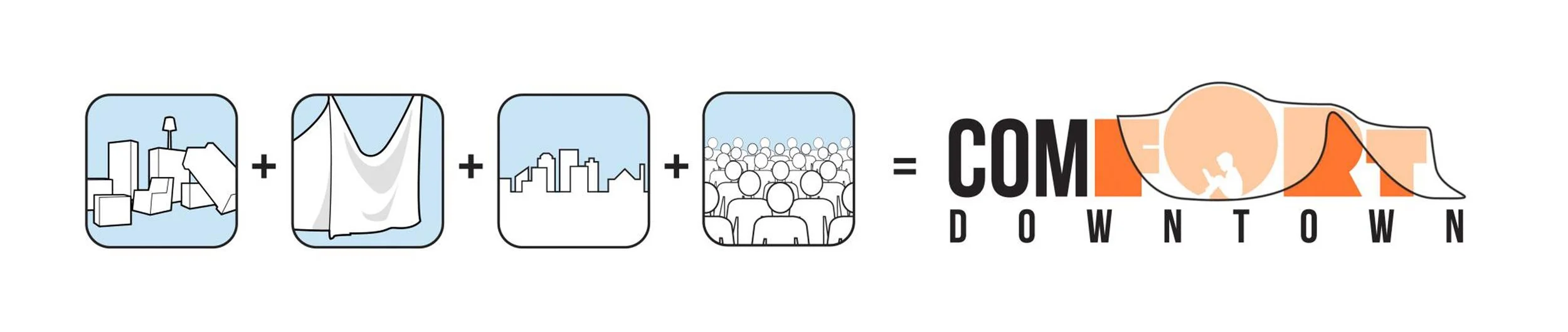
ComFORT Downtown is a pop-up participatory fort-building activation that turned five sites across Edmonton’s core into playful living rooms in wintery November. We used tactical urbanism - modular, moveable pieces, cozy nooks, and hot chocolate - to spark belonging, creativity, and conversation about public space and winter-city liveability.
Method
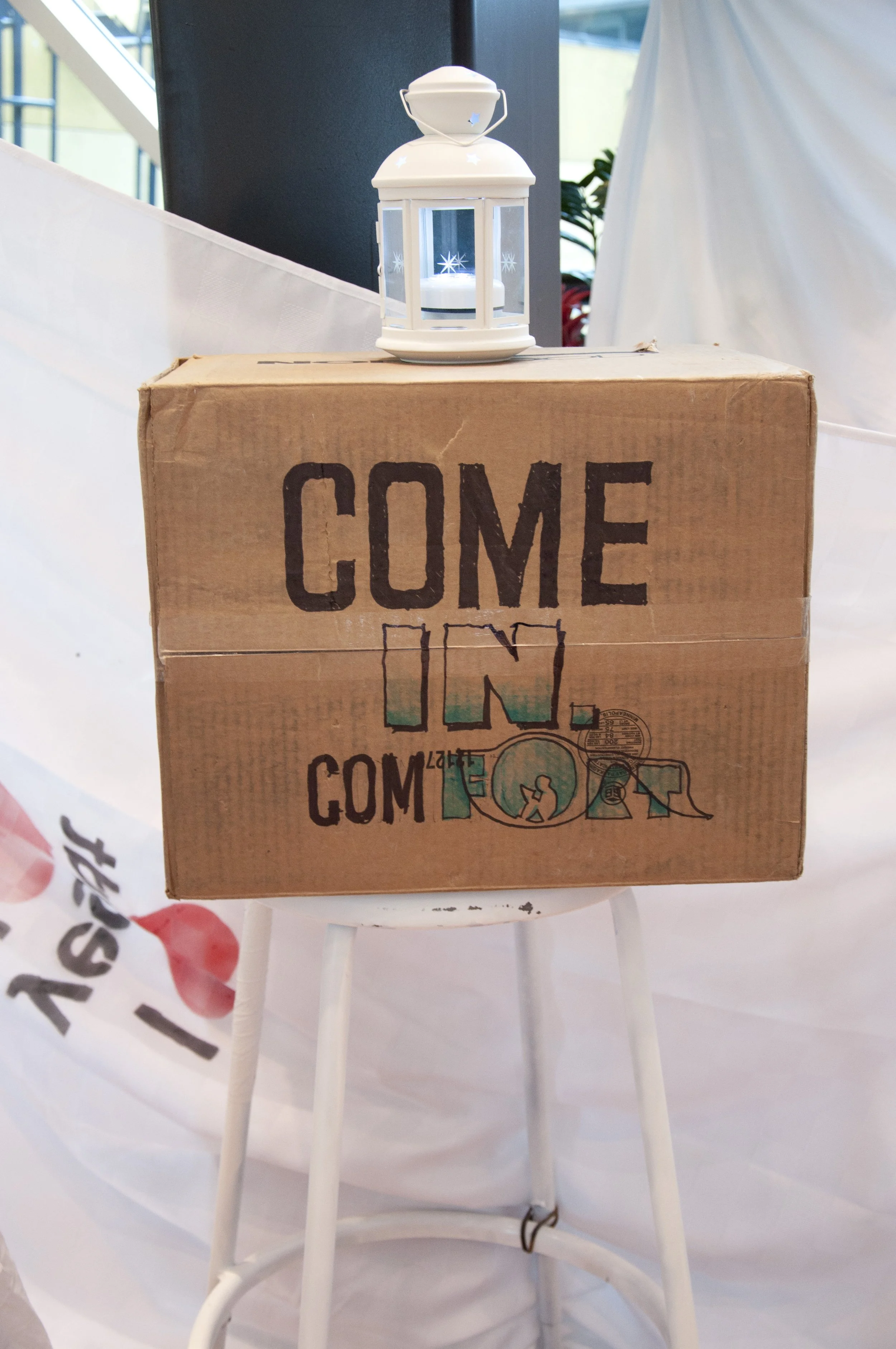
ComFORT transformed otherwise empty spaces into fort-making playgrounds. Citizens could build their own fort, experimenting, improvising, and co-creating with strangers; or settle into a pre-built nook to relax, sip hot chocolate, and simply be together. It’s tactical urbanism with mittened hands: fast, iterative, and deeply human. We framed the city as the ultimate ‘living room,’ where care is designed through small acts and shared moments.
Context
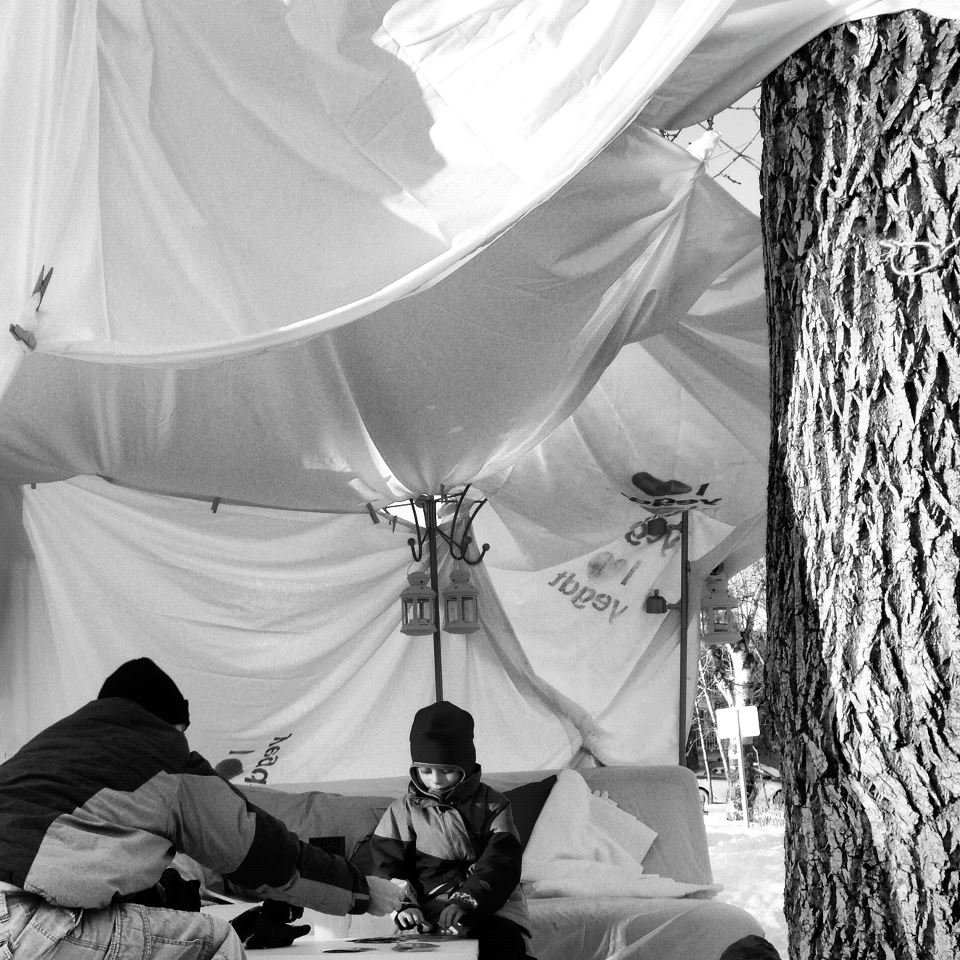
ComFORT was our answer to community-building thinker, Peter Kagayema’s $500 challenge: a low-cost, high-delight nudge toward a city that feels closer, kinder, and more ours. Across five downtown locations, Edmontonians showed up, curious, cautious, playful. Forts rose and morphed throughout the day. People lingered. Strangers chatted. Kids led; adults followed. ComFORT became tangible proof that small, intimate moments, and a little play, can make a city not just liveable, but loveable.
A note on practice:
ComFORT was iterative by design. Each pop-up informed the next: what people gravitated to, what invited lingering, what needed re-thinking. We treat these activations as living documents, adapting to on-the-ground realities and community rhythms in real time.
Outcomes + Learnings
People are the magic. The most essential design element wasn’t material, it was human connection. The real architecture was the conversation between people.
Enthusiasm is contagious infrastructure. Time, effort, and visible joy from even one or two participants quickly snowballed. Momentum, more than money, shifted the space.
Play invites belonging. Forts gave permission to be curious and collaborative. They lowered the threshold for engagement, especially for families and newcomers.
Winter is a feature, not a bug. Cold weather shaped behaviour - short bursts of activity, then cozy pauses - but did not deter participation. Designing with seasonality (windbreaks, warm drinks, tactile materials) turned constraint into character.
Why It Matters
If we want cities that care for people, we have to design for care; for small, intimate moments that help us see one another. ComFORT shows how low-cost, participatory interventions can unlock civic imagination, especially in winter cities like Edmonton. When residents participate in building, even briefly, they begin to believe. And belief is the groundwork of better cities.
Impact
Civic Engagement: hundreds of spontaneous interactions and micro-collaborations across five downtown sites.
Public Discourse: lively, on-site conversations about public space, safety, and the right to play in winter.
Behaviour Insights: evidence that joyful, low-barrier participation increases dwell time and perceived warmth, even in cold weather.
Repeatable Model: a portable toolkit for pop-up belonging, scaleable to alleys, plazas, campuses, and main streets.
Project Type: Participatory pop-up placemaking / tactical urban installation
Year: 2012
Sponsors: MacEwan University, Reimagine Architects, Good Earth Coffeehouse
Location: Edmonton, Canada
Services: Concept and Activation Design; Participatory Installation Design and Facilitation; Winter-City Placemaking Strategy; Materials Strategy and Modular Kit-of-Parts; On-site Engagement, Hospitality, and Stewardship; Rapid Evolution: Observational Mapping and Conversational Feedback; Communications Framing and Calls to Action.
Collaborators: Tara McCashin, Michael Zabinski, Jonny Leger