Case Study: Family Space as Public Infrastructure
Bamyan, Afghanistan
In Bamyan, a walled, women-centred garden hums while an exposed lawn sits empty. What if protection is the precondition for public life?
Context
International development in Afghanistan transplants Western planning logics onto communities built around extended family networks and courtyard life. These imported typologies overlook how women’s presence structures social space, and in doing so, disrupts the everyday infrastructures of cohesion and care.
Two Parks, Two Outcomes
Bamyan Park
A large, open lawn between arterial roads and the blank backs of administrative buildings, the park reads as an exposed void. In daily life it sits largely empty, occasionally hosting men’s evening pick-up soccer. Its hyper-visibility feels unsafe and culturally out of step for local communities. Form followed a foreign idea of “public,” not local practice.
Women’s Garden
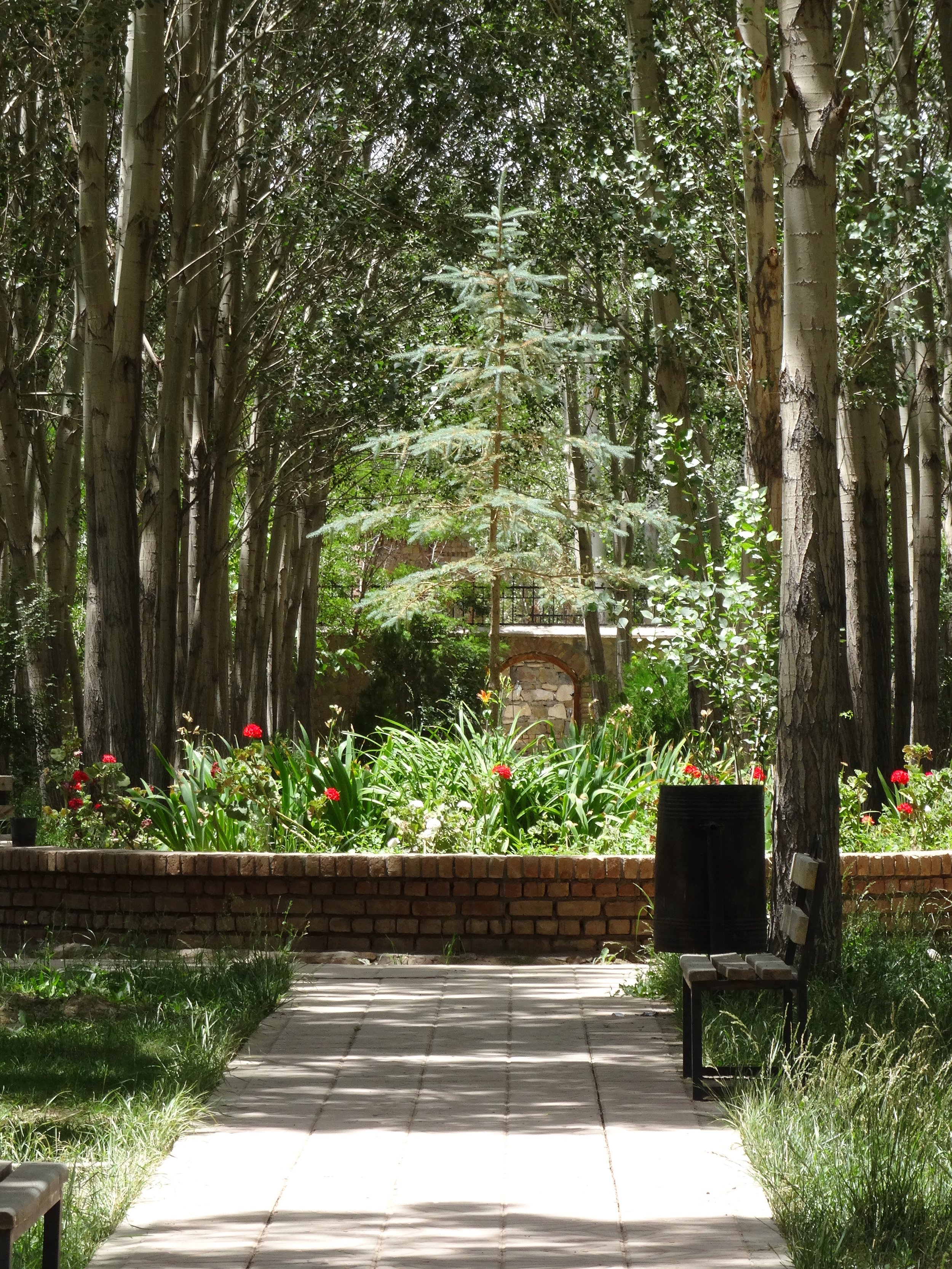
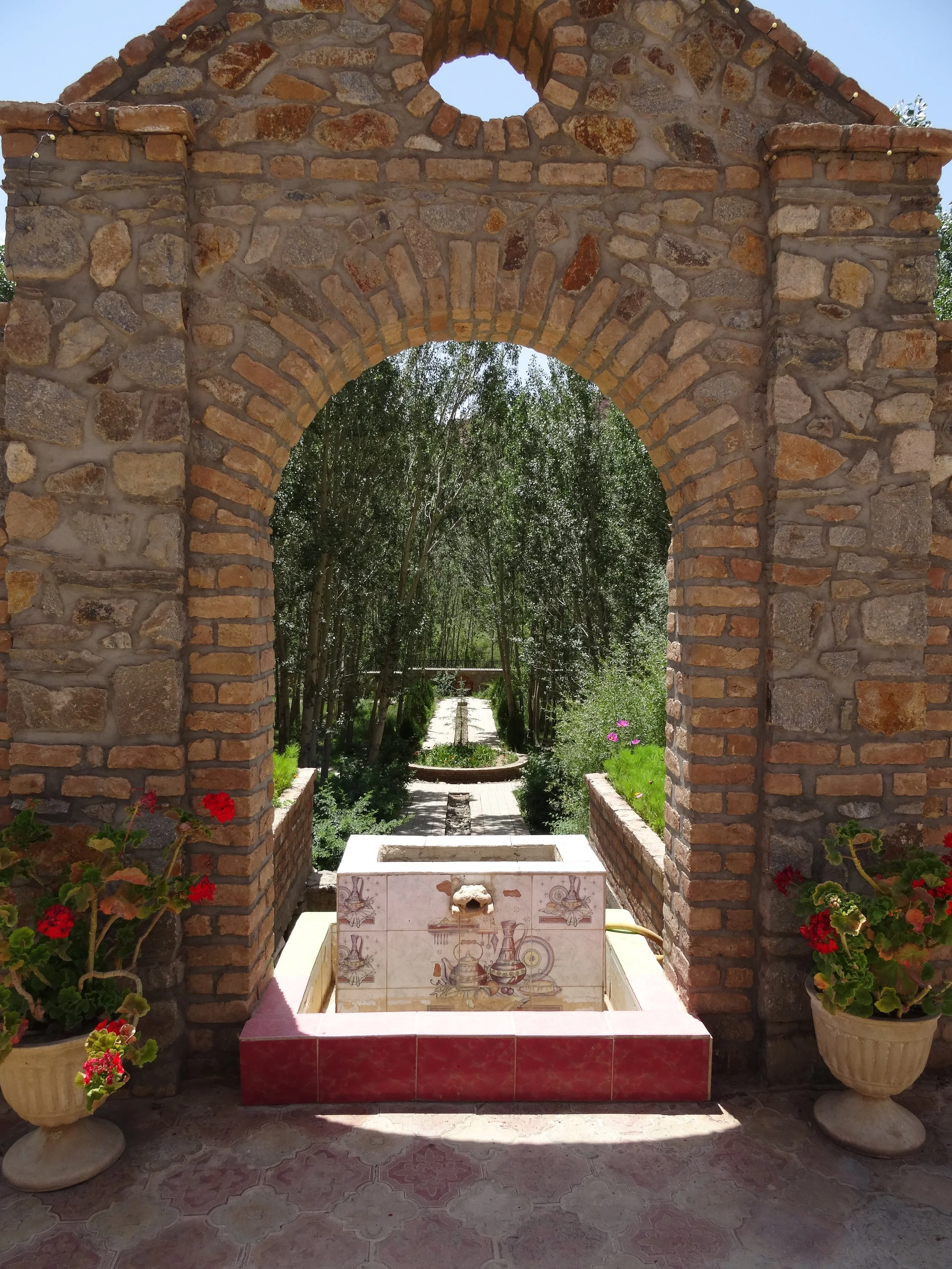
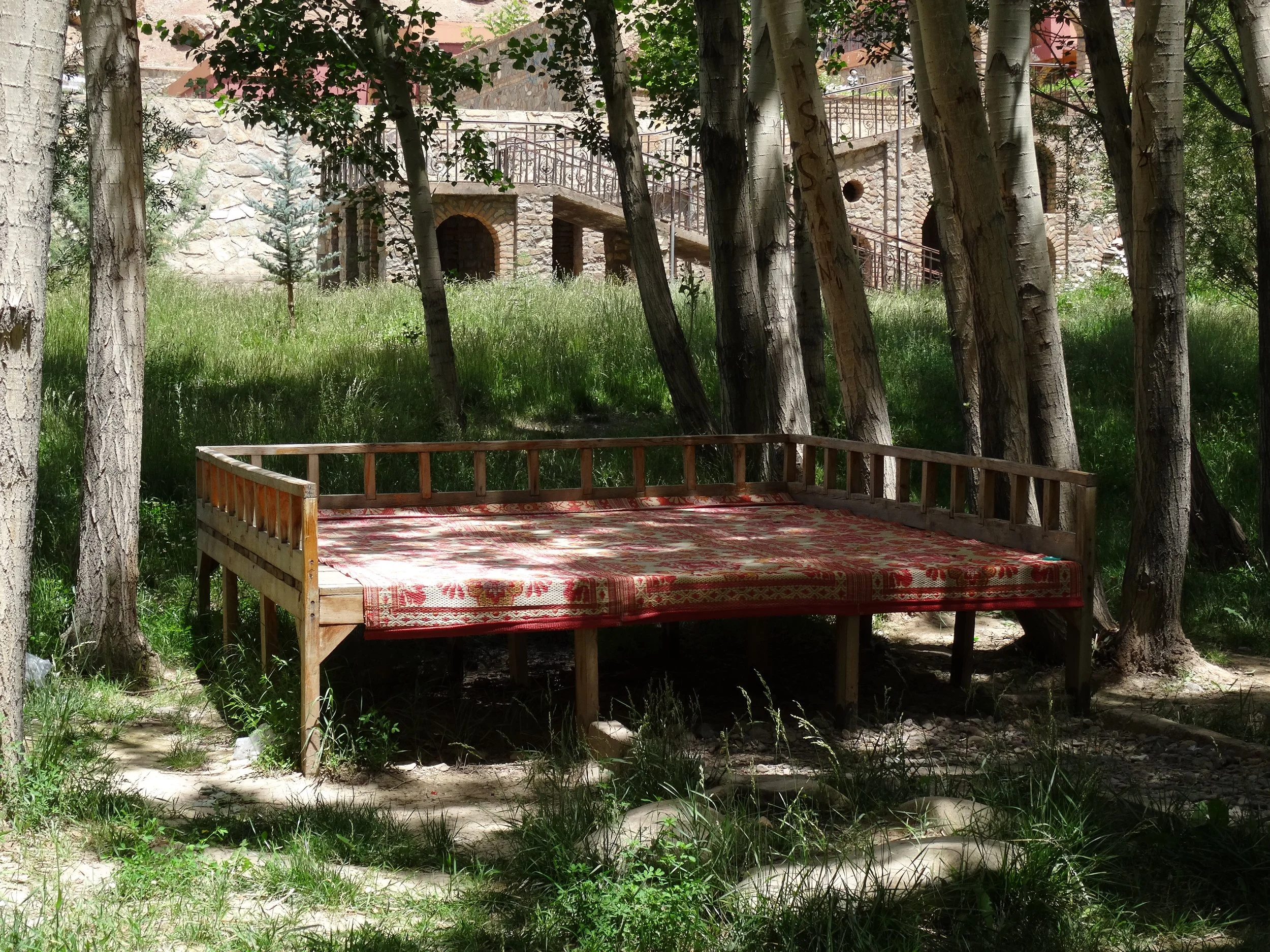
Just outside city limits, this walled garden welcomes mixed family groups only when accompanied by a woman. Inside: a small restaurant, greenhouse, spaces for handicrafts, a water feature by the entry, and shade from poplars and willows. It is modest and alive: children on swings, couples and families picnicking, women gathering. The enclosure signals safety; the program mirrors local cultural expressions. Women’s presence doesn’t make the space exclusive, it makes it possible. This is “family space” as civic infrastructure. Intimate, culturally legible, consistently used.
What This Teaches Us
Design the threshold, not just the field.
Enclosure, not exposure, communicates welcome and care in Bamyan’s context. Walls and planted edges create interiority, an essential precondition for mixed-gender, intergenerational presence.
Let women’s presence define the public.
When spaces are legible and comfortable for women, they become de facto family spaces: safe, “gender-neutral” grounds for everyday gathering and decision-making. This is not exclusionary; it’s an equity-first path to shared belonging based on local cultural norms.
Program for culture, not spectacle.
Food, craft, reading, and quiet leisure are social engines here. Small, meaningful programs out-perform oversized, undefined lawns.
Don’t import emptiness.
Exposed parks framed by roads and bureaucratic backsides produce surveillance and vulnerability, not community. Site orientations and adjacencies must support, not stare down, daily life.
Why it matters
When we design with communities, not for them, we move from ‘control of’ to ‘participation with.’ Especially in the context of Afghanistan, peace is not an event; it is a spatial practice repeated daily: enter, sit, speak, listen, mend, return.
Read the complete study here.
Project Type: Case Study
Year: 2016
Location: Bamyan, Central Highlands of Afghanistan
Services: Participatory research synthesis; spatial justice analysis; design strategy analysis; community-centred programming