Case Study: Neighbourhood Design for Arriving Populations
Toronto, Canada
How do urban form and policy shape the everyday possibility of belonging?
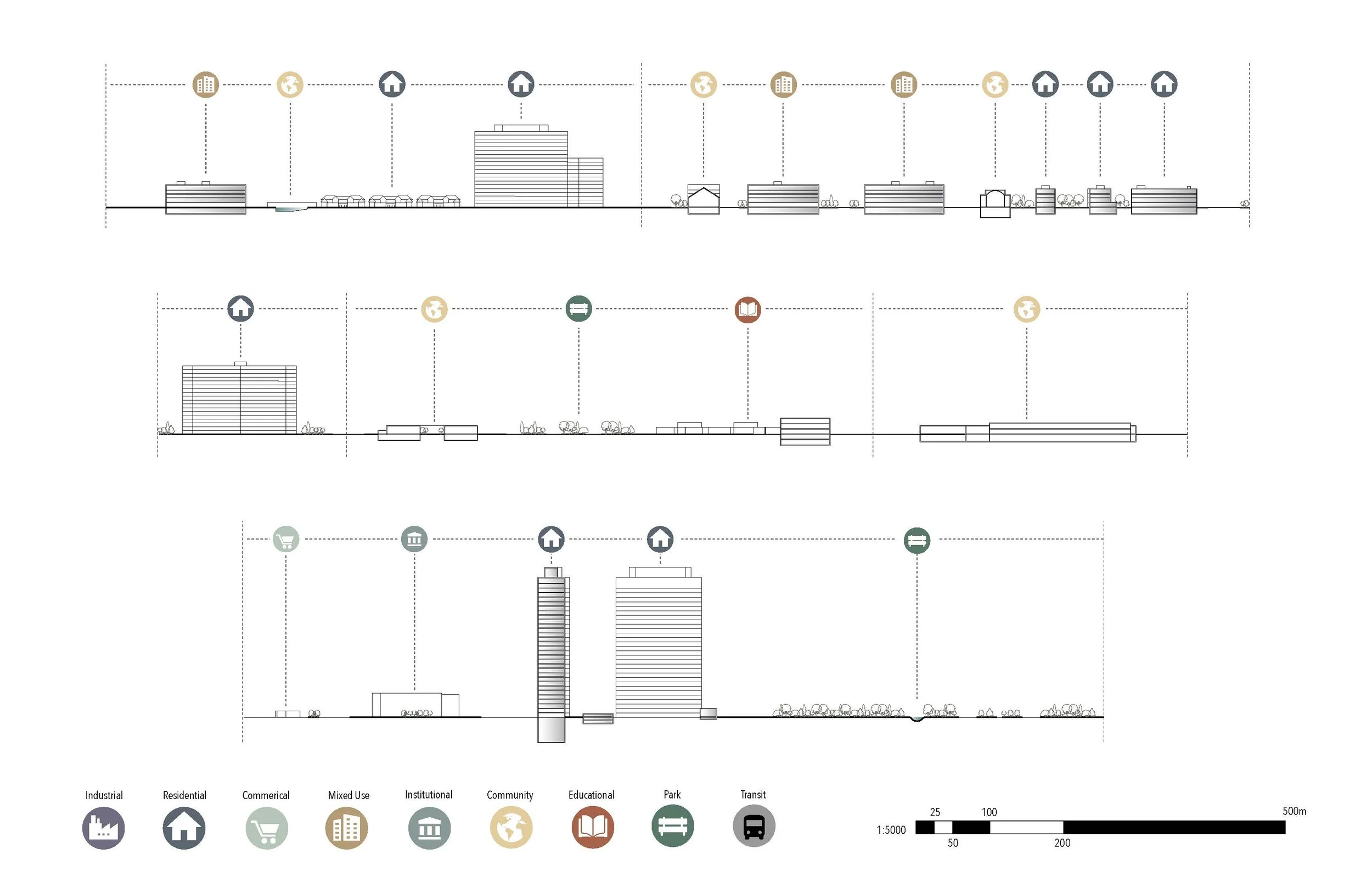
We studied two Greater Toronto Area neighbourhoods—Thorncliffe and Meadowvale—to understand how density, land use, transit, and shared spaces (malls, parks, faith spaces) either enable or inhibit refugee integration. The work demonstrates that the built environment can operationalize compassion when it’s designed for proximity, participation, and collective care.
Method
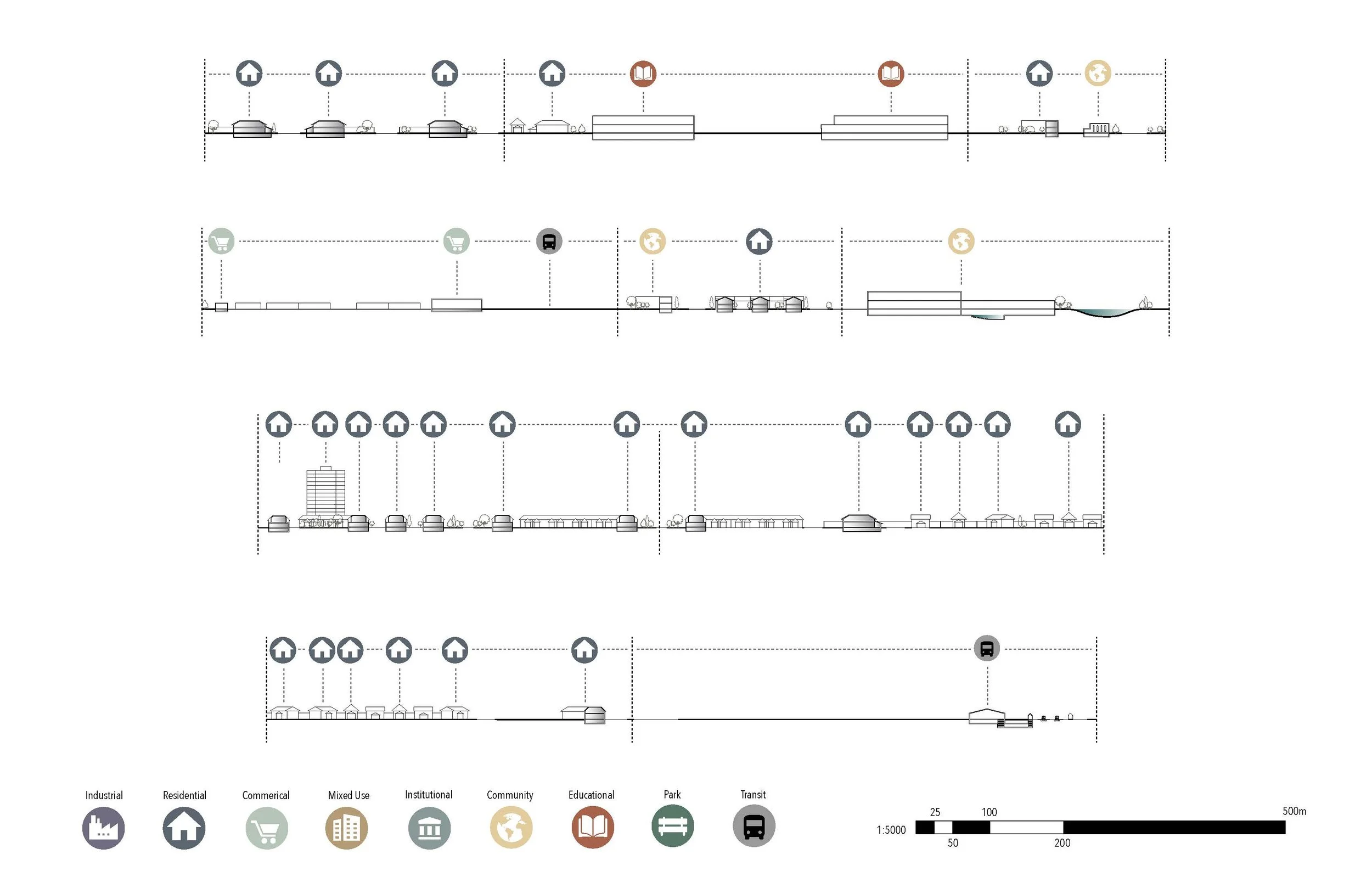
Comparative spatial analysis (zoning, density, land-use mix, open space, mobility).
Field observation of everyday “third places” (i.e. East York Town Centre).
Policy review to trace how regulations meet (or miss) on-the-ground realities.
Context
Toronto receives a high share of newcomers to Canada, many of whom settle in suburban areas where services are diffuse and car-dependence is high. Under current federal policy, government-assisted refugees receive about a year of support aimed at basic needs (shelter, income, healthcare) while community integration at the neighbourhood scale is often under-resourced.
Density Impacts Outcome
Meadowvale (Mississauga)
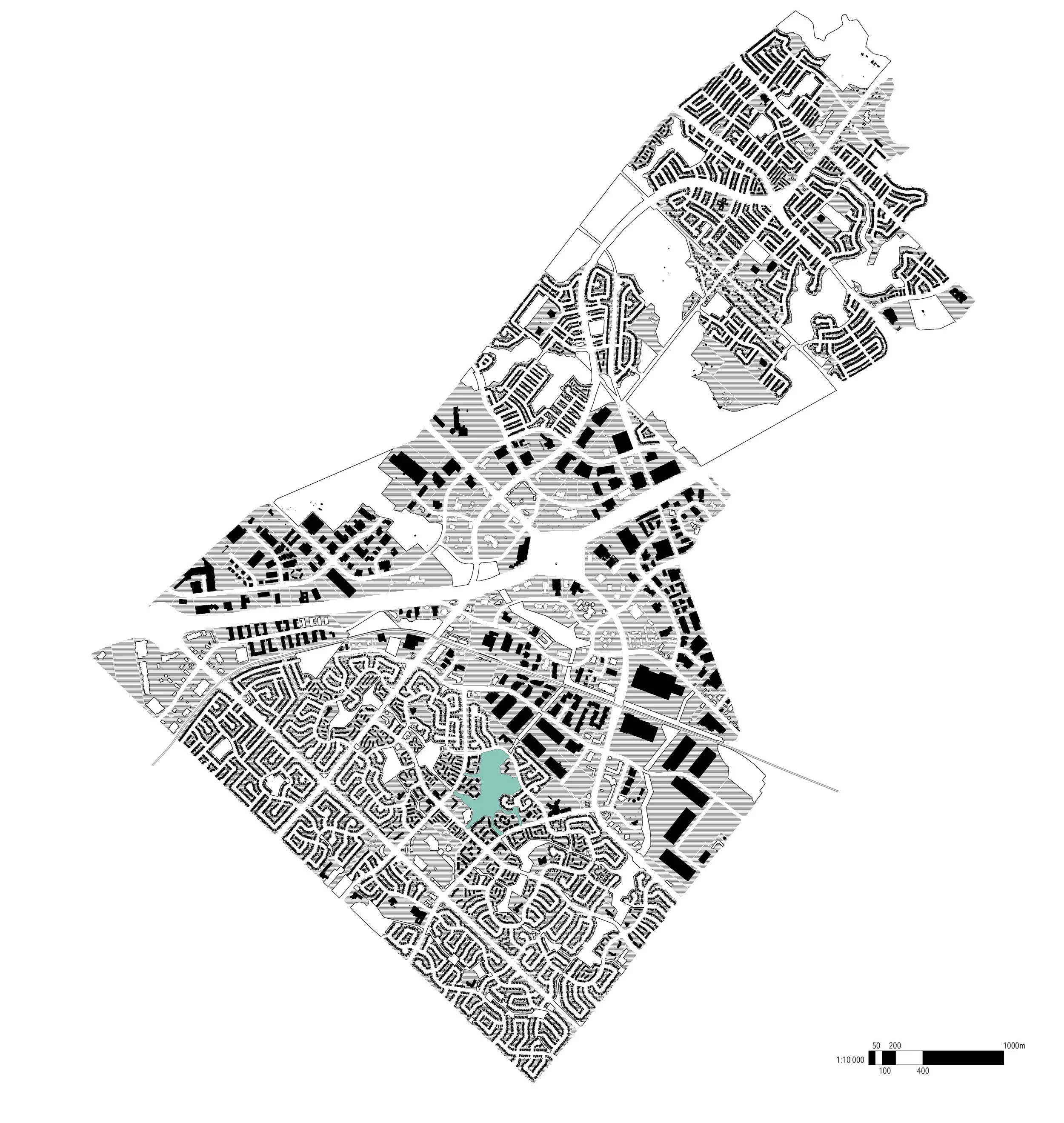
Predominantly low-density, single-use zoning; expansive parking lots; car-dependent access to most services. These conditions fragment open space and limit informal social contact. Sparse, capacity-strained settlement services, plus distance from job and education hubs, constrain pathways to self-sufficiency.
Thorncliffe (Toronto)
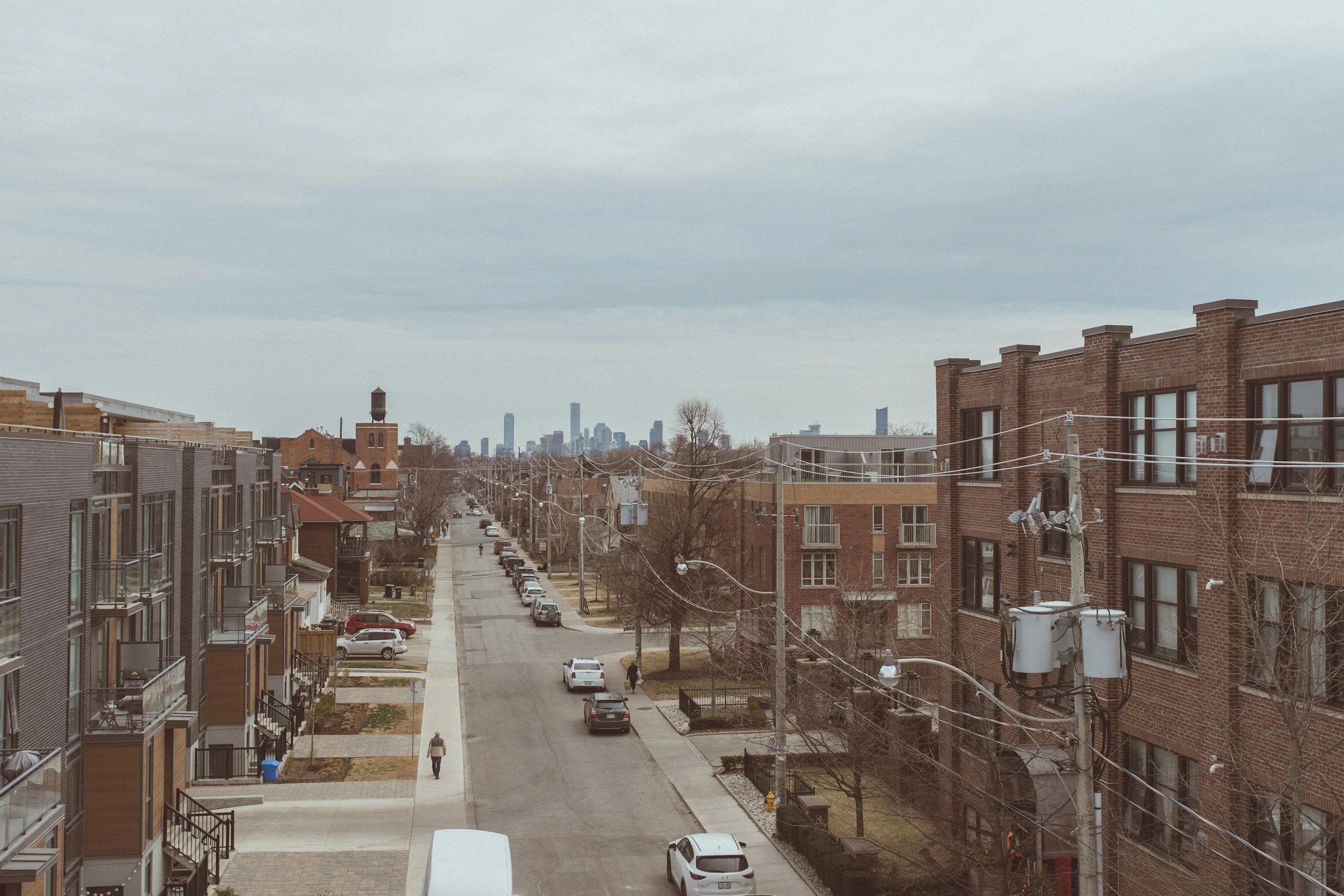
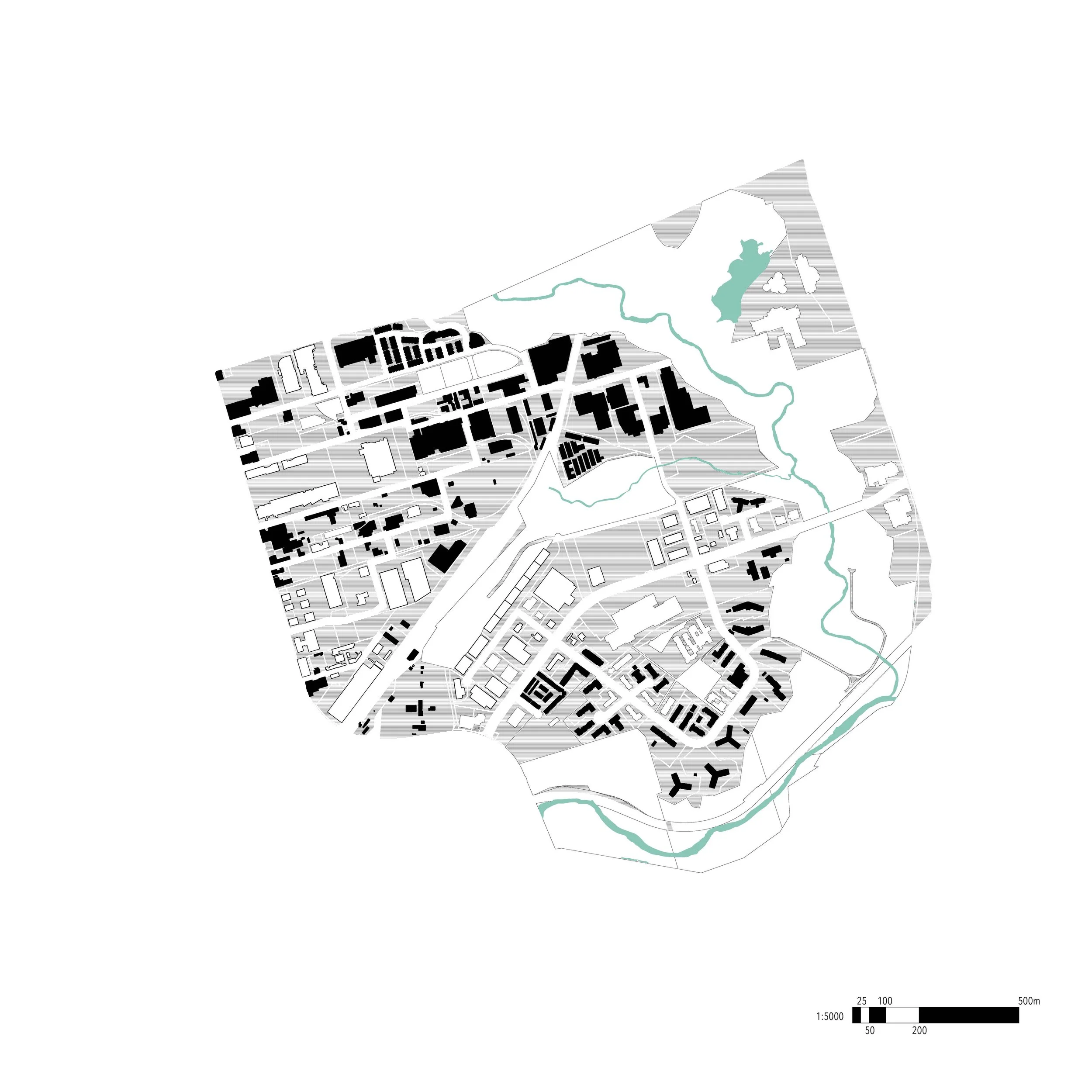
Higher density with mixed-use plots and mid- to high-rise buildings generates collective open space and many points of encounter. Everyday shared spaces (notably East York Town Centre) serve different groups across the day (elders, caregivers, youth) creating familiarity, safety, and social networks.
What This Means
Integration thrives where people can gather, linger, and be seen. It is less about proximity on a map and more about the daily choreography of belonging: spaces that invite participation, micro-entrepreneurship, and mutual care.
Impact
This study reframes arrival neighbourhoods as fertile ground for collective uplift; where spatial justice moves from idea to everyday practice. The outcome is a clear roadmap for municipalities, housing providers, and community organizations to design belonging, not just shelter.
Read the complete study here.
Project Type: Case Study, presented at Architecture, Culture, and Spirituality Forum
Year: 2018
Location: Thorncliffe (Toronto) and Meadowvale (Mississauga)
Services: Research; Spatial Analysis; Community Systems Design; Comparative Urban Analysis; Policy Scan; On-Site Observation
Collaborators: Snehanjali Sumanth, PhD.